
 PÉTALO
 AGUA
AGUA
 FRESCO
 TIERRA
 OOLONG
 ANJOU
ANJOU
 SOL
SOL
 MANDARÍN
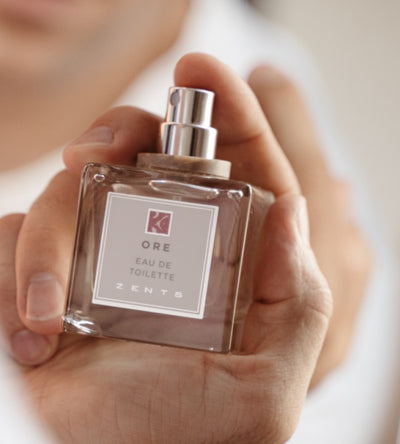
 ORE
ORE
 FIG
FIG
 Sin centrar
 Lo que creemos
 Ingredientes estrella
 Spa y tienda
 Diario
 QUIZ
QUIZ

A considered look at what cumulative sun exposure actually does to the body over years, what topical bodycare can and cannot do about it, and what is worth a dermatologist's evaluation.
Cumulative sun damage shows up in three main ways across years: uneven pigmentation, slow changes in texture and firmness, and a barrier that has lost some of the resilience it once had. Topical bodycare can meaningfully support skin through these changes. It cannot reverse what has already happened, despite what the marketing language of many brands suggests. What it can do is hydrate skin that has lost some of its natural moisture, ease the visible signs of dryness and roughness that accumulate with photoaging, and create the daily comfort that makes skin feel and look quietly cared for. The deeper interventions, the in-office treatments that address pigmentation and texture more directly, exist for reasons. Knowing which is which keeps you from overpaying for products that promise what they can't deliver.
There comes a moment, usually somewhere between forty and sixty, when you notice that your skin remembers the sun differently than it once did. The little brown spot on the back of your hand that wasn't there last spring. The patch of slightly uneven tone on your décolletage that doesn't quite match the rest. The skin on your arms that feels a little thinner, a little drier, a little less like itself. These changes have a name, photoaging, and they're the visible record of years of UV exposure showing up in the surface of your skin.
This guide is the honest look at what's happening, what's worth doing about it, and what isn't. It covers the three main visible signs of cumulative sun damage in the body. What topical bodycare can do (more than people think) and what it can't (less than the marketing suggests). The dermatology treatments that actually address what topical products can't. And where Zents fits in a daily routine for skin that's carrying the visible signs of a lot of summers. This is an article without overpromises. Brand-honest, science-honest, and aimed at helping you spend your time and money where they'll actually do useful work.
The three main visible signs of cumulative sun damage
UV exposure accumulates. Each sunny day adds a small amount of damage to skin cells, the barrier, and the structures underneath. Most of that damage is repaired in the days that follow, but a small fraction isn't, and that fraction adds up across decades. By the time someone is in their forties, the cumulative result is usually visible. By the sixties, more so. The three categories below cover most of what shows up.
Pigmentation changes
Uneven tone, dark spots (sometimes called age spots or sun spots), patches of slightly different color across the chest, shoulders, and arms. Pigmentation changes are the most visible sign of cumulative sun exposure on the body, and they're often the change people most want to address.
Texture and firmness changes
Skin that feels thinner than it once did. Fine lines that show up on the chest, neck, and backs of hands. A loss of the bounce and resilience the surface used to have. These changes come from the slow degradation of collagen and elastin in the deeper layers, accelerated by years of UV exposure.
Roughness and dullness
A surface that catches the light less evenly than it used to. Slightly rough patches, particularly on the upper arms, chest, and shins. A general loss of the smooth, even quality the skin had when it was younger. Part of this is barrier-related and responds well to consistent care. Part of it is the cumulative texture change underneath that needs more than lotion can provide.
Pigmentation, looked at honestly
Pigmentation changes are the category where topical care has the most realistic limits, and where the dermatology treatments have the most genuine impact. There are several different kinds of pigmentation, and they respond to different approaches.
The main types of pigmentation on the body
- Solar lentigines (sun spots, age spots). Flat, brown, well-defined spots that appear on areas with significant lifetime sun exposure. Common on the backs of hands, forearms, chest, and shoulders. They're a result of localized increases in melanin in response to UV. Topical care can prevent new ones from forming and can sometimes soften existing ones over many months. In-office treatments (lasers, cryotherapy, chemical peels) can fade them more dramatically.
- Post-inflammatory hyperpigmentation (PIH). Dark spots or patches that follow inflammation in the skin, including burns, breakouts, bug bites, and sunburns. DermNet NZ explains the mechanism in detail. PIH is more pronounced in deeper skin tones and can take many months to fade on its own. Topical ingredients like niacinamide, vitamin C, and tranexamic acid help. Sun protection prevents it from getting worse. The key is consistency, often over six months to a year.
- Melasma. Larger patches of pigmentation, often on the face but sometimes on the chest and neck, triggered by a combination of hormones and UV. More common in women, particularly during pregnancy and on certain medications. Melasma is notoriously stubborn and often requires a dermatologist's involvement to address effectively. It also tends to recur, which is part of the honest reality of working with it.
- Freckles (ephelides). Small, light brown spots that come and go with sun exposure. Genetic in origin, more pronounced in fairer skin types. Generally not a concern beyond aesthetic preference, and not the same as solar lentigines.
- Hyperpigmentation from old burns or scars. Older injury sites can darken with sun exposure for years after the initial event. Sun protection over scar tissue is part of why dermatologists recommend SPF on healed scars.
What topical bodycare can honestly do for pigmentation
Daily SPF prevents new pigmentation from forming. This is the single highest-value thing topical care does for the long-term picture of skin tone. Niacinamide (vitamin B3) at 4 to 10 percent can measurably reduce the visibility of existing pigmentation over three to six months of daily use, with the best results on PIH specifically. Vitamin C in well-formulated products can support a more even tone over similar timelines. Gentle, consistent moisturization keeps the skin's surface smooth, which makes any pigmentation look softer.
What topical bodycare cannot do is significantly fade existing solar lentigines, melasma, or deep PIH within a few weeks or even a few months. Products marketed for these results, especially body lotions and creams promising dramatic spot-lightening, are either overpromising or contain ingredients (like high concentrations of hydroquinone) that should be used under medical supervision. For visible spots that bother you, an in-office consultation gives you accurate options for the actual results you're hoping for.
Texture and firmness, looked at honestly
The textural changes that come with cumulative sun damage are slower, deeper, and harder for topical products to address than pigmentation. Most of what's changing is happening below the surface, in the dermis, where collagen and elastin fibers have gradually become disorganized from years of UV exposure. Surface-level products can't reach the structures that have changed.
What topical care can do
- Keep the surface well-hydrated. A well-moisturized barrier holds onto its softness longer than a dry one. The visible texture of well-cared-for skin reads as smoother regardless of what's happening underneath.
- Support the barrier with ceramides, fatty acids, and probiotic peptides. These contribute the building materials the barrier needs and quietly improve resilience over weeks of use.
- Gentle exfoliation, used carefully. A well-formulated body polish or chemical exfoliant used once or twice a week can smooth the surface texture and improve product absorption. Over-exfoliation, common in this category, can make the barrier weaker rather than smoother.
- Daily SPF. The single biggest factor in slowing further texture change. Topical care that includes consistent SPF use is doing more for the long-term picture than any anti-aging cream possibly can.
What topical care can't do
Rebuild lost collagen in the dermis. Lift sagging skin. Make sun-damaged skin look like it never was. These changes come from years of accumulated structural damage that surface products cannot reach. Products marketed for dramatic firming or lifting are usually either over-promising or technically delivering very short-term tightening through ingredients like film-forming polymers that wash off the next day. If significant texture change bothers you, the honest path is a conversation with a dermatologist about treatments (microneedling, radiofrequency, fractional laser, certain peels) that genuinely address what's underneath.
What you can address at home, and what asks for a dermatologist
This is the honest sort table that's hard to find in product marketing. It's worth taking your time with.
| Preocupación | What home care can do | What in-office addresses better |
|---|---|---|
| Daily comfort and surface smoothness | A lot. Consistent hydration and gentle exfoliation deliver real, visible improvements over weeks. | Optional. Treatments like in-spa body polishing or microdermabrasion add to home care but aren't necessary for most people. |
| Preventing new pigmentation | A great deal. Daily SPF is the single highest-value step. | Not the primary tool. Some in-office treatments include sun protection guidance but the daily work happens at home. |
| Existing solar lentigines (sun spots) | Modest. Daily niacinamide and SPF can soften them over many months. | Significant. Cryotherapy, IPL, and fractional laser can fade or remove spots in one to three sessions. |
| Post-inflammatory hyperpigmentation | Meaningful. Niacinamide, vitamin C, gentle exfoliation, and SPF over 6 to 12 months can substantially improve PIH. | Faster. Chemical peels, microneedling, and certain lasers accelerate the same improvement. |
| Texture and fine lines on body skin | Modest. Surface smoothing from consistent care. The deeper texture stays as it is. | Significant. Microneedling and certain laser treatments can address texture changes more directly. |
| Skin firmness on chest, neck, arms | Limited. Hydration helps the surface look smoother but doesn't rebuild collagen. | Significant. Radiofrequency, ultrasound (Ultherapy), and certain laser treatments can stimulate new collagen production. |
| Mole changes, irregular spots, anything new | Nothing topical can address this. | Essential. Any spot that changes shape, size, color, or texture asks for dermatology evaluation. The ABCDE rule of mole monitoring is worth learning. |
The most useful thing this table says is that the work has different gears. Daily SPF and good moisturization do real long-term work and cost very little. In-office treatments do faster work and cost more. Both have their place. Neither replaces the other. And anything that looks suspicious deserves a dermatologist's eye regardless of cost.
The honest note about what Zents claims to do, and what it doesn't
It's worth saying directly. Zents does not claim to reverse sun damage. The marketing language around the lotion uses the phrase Age Defying, and that refers to the probiotic peptides supporting barrier function over time, not to any claim of dramatic lightening, lifting, or wrinkle removal.
What we do well is the daily, supportive work that skin asks for across years. Probiotic peptides that support the microbiome. Plant lipids that contribute the right kind of barrier-building material. Clean fragrance that doesn't add stress to skin already carrying years of sun exposure. Gentle exfoliation from a body polish that smooths the surface without compromising the barrier. These add up over time. They don't promise the dramatic before-and-afters that fill skincare advertising. They deliver the quiet, consistent comfort that well-cared-for skin shows.
We like to think our honesty and transparency about this is part of why we have the customer base that we do. People who have used skincare long enough know which claims are honest and which aren't. Building daily care around products that do real, supportive work, and reserving the bigger treatments for what they actually deliver, is the honest middle path. It's also the path that respects how skin actually changes over time, which is slowly and in conversation with everything you do for it.
A daily bodycare routine for visibly sun-affected skin
Skin that's carrying the cumulative signs of sun exposure asks for a routine that's both supportive and consistent. The ritual below is what most people in their forties, fifties, and beyond settle into when they want a routine that's doing useful work without overpromising.
- Morning shower. Cool to lukewarm. Ageless Aloe Moisture Wash as the gentle cleansing step. Pat almost dry.
- Lotion to damp skin. A generous palmful of Age Defying Probiotic Lotion per body zone. The probiotic peptides support the barrier; the shea and lotus add the cushion that mature skin specifically responds to.
- Daytime SPF. Apply to any area that will see the sun. The single highest-value step for the long-term picture. Reapply every two hours if you're outside.
- Evening shower. Cool to lukewarm. Wash. Pat almost dry.
- Lotion again, generously. Especially on chest, décolletage, neck, hands, and shins.
- Body oil layered over the lotion. Luminous Cashmere Body Oil adds the linoleic acid that supports the barrier and the visible glow that flatters mature skin.
- Balm on the high-need zones. Concreta Reparative Balm on the chest, the backs of hands, the shins at night. Targeted nourishment for the areas that show the most cumulative exposure.
- Weekly gentle exfoliation. A small amount of Unzented Body Polish once or twice a week, on lightly damp skin in the shower, smooths the surface without disrupting the barrier. Skip if skin is actively recovering or feels reactive.
This routine isn't dramatic. It doesn't promise anything overnight. It does the slow, quiet work that adds up to skin that looks and feels visibly cared for, month after month and year after year.
On gentle exfoliation, and why most people overdo it
Exfoliation is one of the most useful tools for sun-affected skin, and also one of the most overused. The right amount makes a meaningful difference. Too much makes the barrier weaker, the surface more reactive, and the visible texture worse rather than better.
What gentle exfoliation actually does
- Removes the surface layer of dead cells that accumulate more visibly on sun-affected skin.
- Improves the absorption of the lotion and oil applied afterward.
- Smooths the visible texture, which catches light more evenly.
- Supports more even pigmentation over time by encouraging gentle turnover.
What over-exfoliation does
- Strips the lipid layer that holds the barrier together.
- Makes skin more reactive to fragrance, temperature, and product changes.
- Can cause an inflammatory response that contributes to more pigmentation, not less.
- Compounds the dryness that mature skin is already working with.
For body skin, once or twice a week of a gentle body polish like Unzented Body Polish is enough for most people. More than that, especially with chemical exfoliants, tends to do harm. For the deeper conversation about exfoliation specifically in the post-sun context, see When (and How) to Exfoliate After Sun Exposure. The same principles apply year-round, with a little more caution during the months when sun exposure is heaviest.
When to see a dermatologist
Some things asking for a dermatologist's attention aren't optional. Knowing what those are is part of taking care of skin over the long arc.
- Any new mole, spot, or skin lesion that appeared in adulthood and looks different from the surrounding skin.
- Any existing mole or spot that's changing in size, shape, color, or texture. The ABCDE rule helps: asymmetry, border irregularity, color variation, diameter over 6mm, evolution. Any of these warrants evaluation.
- A spot that itches, bleeds, or doesn't heal. Even small ones.
- Significant pigmentation that bothers you and you'd like to address. A dermatologist can give you accurate options that home care cannot.
- Persistent texture changes that significantly affect how you feel about your skin. In-office treatments can do work that topical care cannot.
- Annual skin checks for anyone with significant lifetime sun exposure. The earlier any skin cancer is caught, the better the outcomes.
- Family history of skin cancer. More frequent monitoring, often every six months, is reasonable.
A dermatology visit isn't a sign that home care has failed. It's a different tool in the same project of taking care of your skin. The best long-term outcomes usually involve both: thoughtful daily care at home, plus the right in-office attention when something asks for it.
Where the Zents Collection fits in long-term skin care
For the daily work, our collections are built around exactly the kind of ingredients that support skin over the long arc. The probiotic peptides in the Age Defying Probiotic Lotion contribute to barrier resilience over time. The organic shea, lotus, and plant lipids deliver the cushioned moisturization that mature skin specifically responds to. The fragrance-considered approach across the line means skin isn't asked to deal with anything beyond the actual care.
For visible signs of cumulative exposure, the lineup does the supportive work that adds up. The Luminous Cashmere Body Oil adds the linoleic acid that supports barrier health and the surface glow that flatters skin carrying years of sun. The Concreta Reparative Balm earns the targeted zones, the chest, the backs of hands, the décolletage that show the most cumulative exposure. The Unzented Body Polish provides the once-or-twice-weekly gentle exfoliation that improves surface smoothness without compromising the barrier.
For sensitive or reactive skin, the Unzented collection line carries the same formulation principles without added fragrance. Many people in their fifties and sixties find that what was tolerated well in earlier decades feels different now, and switching to fragrance-free as the default through summer or year-round is one of the kindest shifts they can make. Unscented products are always recommended for those who are pregnant and for young children.
None of this promises to undo what's already happened. What it does is the daily, supportive work that makes skin look and feel quietly cared for across years. Combined with daily SPF and the in-office attention that some concerns deserve, this is the honest, considered path through long-term skin care.
Frequently Asked Questions
Can sun damage actually be reversed?
Some of it, to a degree. Recent dermatology research suggests that consistent sun protection can allow skin to recover modestly from accumulated damage over years. In-office treatments (lasers, microneedling, certain peels) can address pigmentation and texture more directly. Topical products cannot reverse the deeper structural changes, despite marketing language to the contrary. The honest answer is that some damage can be improved (especially pigmentation, especially with consistent treatment), and some can't. Knowing the difference is half of the work.
Is daily SPF really that important for the body, or just the face?
Just as important for the body, particularly the areas that get regular incidental exposure: chest, neck, backs of hands, forearms. Most cumulative sun damage on the body comes from these incidental exposures, not from beach days. Daily SPF on these areas through summer (and ideally year-round for the chest, neck, and hands) is the single highest-value step you can take for long-term skin appearance and skin cancer risk.
Will using more expensive products fade my sun spots faster?
Generally no. Effective ingredients for pigmentation are well-defined: niacinamide, vitamin C, tranexamic acid, retinoids (under medical supervision), and a small handful of others. These work over months, not weeks, regardless of how expensive the formula is. A drugstore product with the right ingredients at the right concentrations can do as much as a luxury one. For dramatic results on stubborn pigmentation, the path is dermatology, not pricier topical products. The The Best After-Sun Lotion (And What Actually Makes One Work) guide covers ingredient quality in more detail.
Does niacinamide really help with pigmentation, or is that just marketing?
It genuinely helps. Multiple studies confirm that topical niacinamide at 4 to 10 percent can measurably reduce the visibility of pigmentation over three to six months of daily use, with the strongest effects on post-inflammatory hyperpigmentation specifically. DermNet NZ covers the mechanism. It's also generally well-tolerated, doesn't require sun avoidance, and combines well with other actives. One of the most reliable ingredients in this category.
Should I be worried about a spot that has been on my body for years and hasn't changed?
Spots that have been stable for years are usually not concerning. What deserves attention is change. A spot that's getting darker, getting larger, changing shape, becoming asymmetric, or developing irregular borders asks for a dermatologist's eye. The same is true for any spot that itches, bleeds, or doesn't heal. Annual skin checks for anyone with significant lifetime sun exposure are a reasonable practice regardless.
Is it too late to start using SPF in my fifties or sixties?
No. The benefit of starting SPF use is genuine at any age. The first benefit is preventing further damage. The second is allowing the skin to do some of its own slow repair work, which it does more effectively without ongoing UV exposure. People who start consistent SPF use in their fifties often see meaningful improvement in skin appearance over the following years, even without other interventions. It's never too late.
Skin remembers the sun. It also keeps doing its quiet work of repair, year after year, when it's met with steady support. Daily SPF. Generous moisture. Probiotic peptides and gentle exfoliation. The honest knowledge of which concerns ask for topical care and which ask for a dermatologist. There's no formula that turns back time, and the brands promising otherwise are not the ones to trust. The slow, considered ritual is what skin asks for, and what skin returns.


