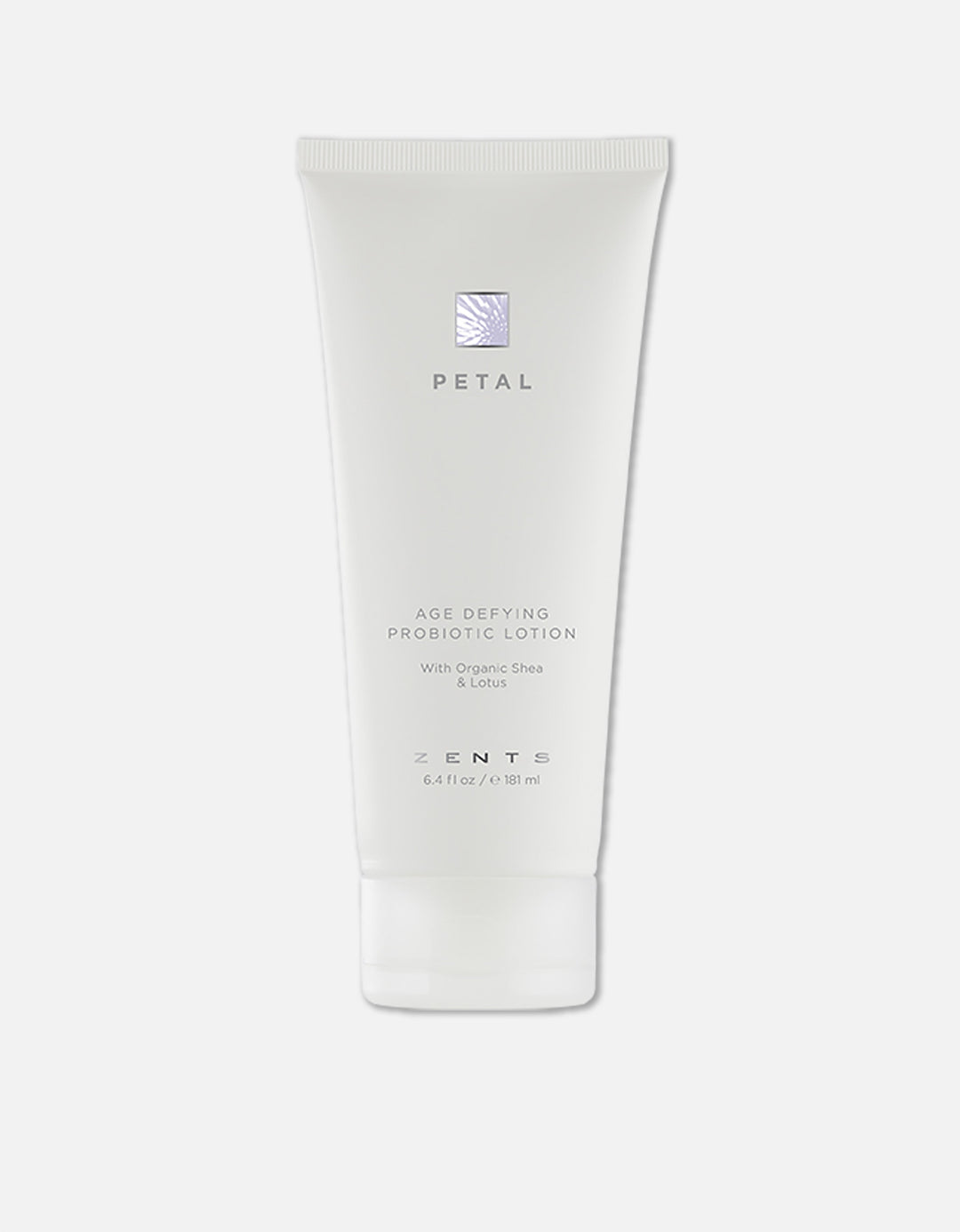

 PETAL
PETAL
 EAU
EAU
 FRAIS
FRAIS
 TERRE
TERRE
 OOLONG
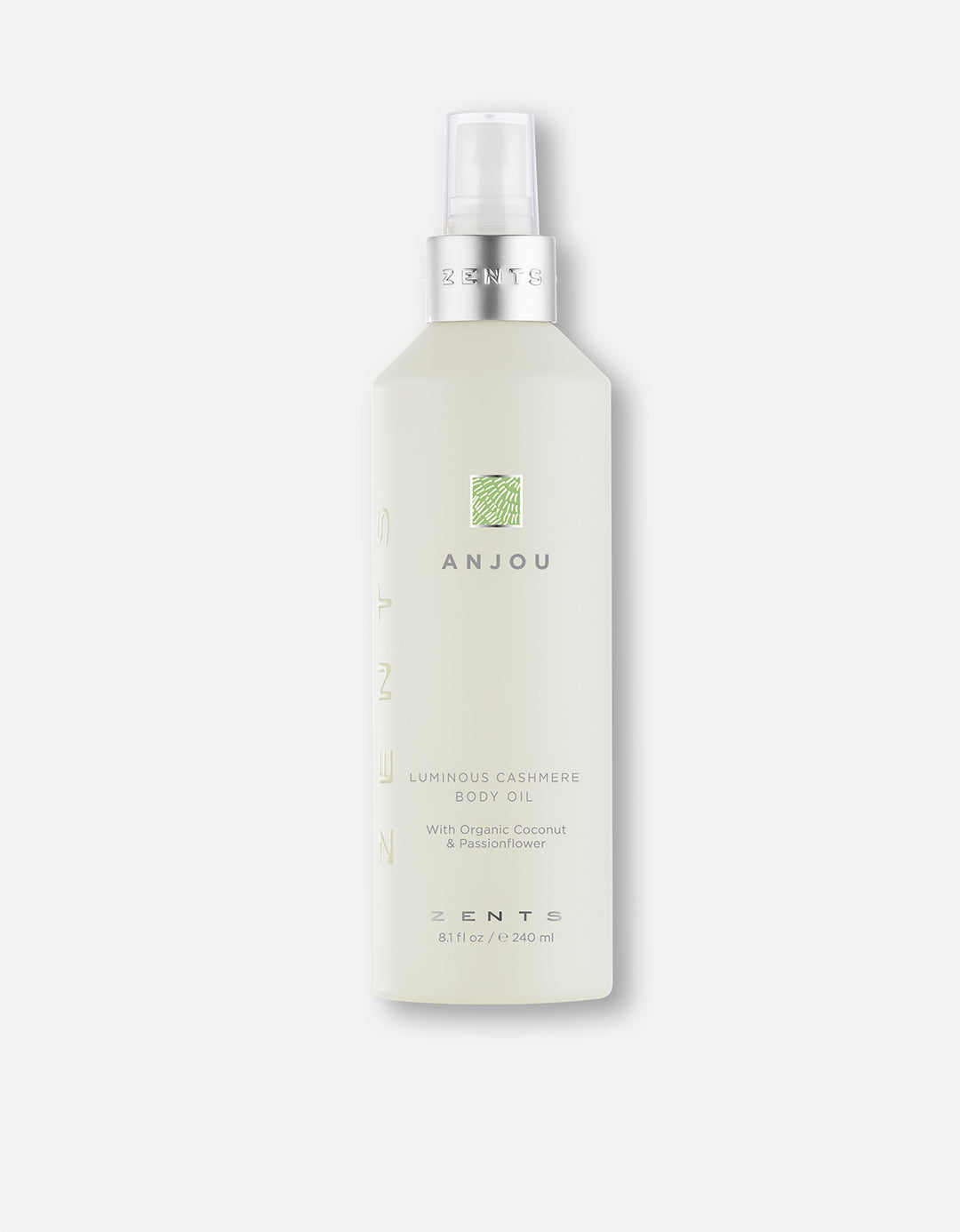
 ANJOU
ANJOU
 SUN
SUN
 MANDARIN
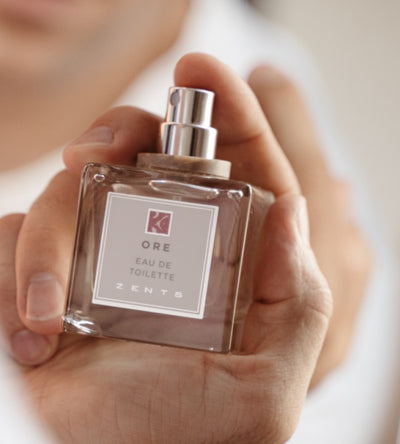
 ORE
ORE
 FIG
FIG
 DÉPROGRAMMÉ
 Ce que nous croyons
 Ingrédients Étoile
 Spa et commerce de détail
 Revue
Revue
 QUIZ
QUIZ

Let's talk about it Many people expect hot flashes and mood changes during menopause or perimenopause, but itchy skin often comes as a surprise. It may show up as sudden dryness, a crawling sensation, or irritation that doesn't match anything in your routine.
These changes can feel frustrating or confusing, especially if your skin has never been sensitive like this before. Understanding why this happens makes it easier to find relief and create habits that support your skin through this transition.
Skin changes during this phase are rooted in hormonal shifts. As estrogen levels fluctuate and begin to decline, the skin gradually loses moisture and elasticity, making it more reactive to the environment. This isn't a failure in your routine, it's your body signaling that its needs have changed. Recognizing this shift is the first step toward rebuilding comfort and supporting your skin's natural functions.
Itchy skin may also feel more noticeable in colder weather, after a shower, or at night. These patterns aren't random. They reflect the skin's altered ability to hold moisture and its increased sensitivity to heat, detergents, and temperature changes. When skin becomes thinner and drier, everyday habits that never caused issues before may now contribute to discomfort. That's why adjusting your routine, even slightly, can have a meaningful impact.

Why Hormonal Changes Trigger Itchy Skin
Estrogen plays a major role in skin health. It supports collagen production, oil balance, and natural hydration. When estrogen levels decrease, the skin gradually becomes thinner, less oily, and more prone to dryness. This dryness can lead to itching because the skin's protective barrier becomes less effective at keeping moisture in and irritants out. Over time, the lack of moisture allows small cracks to form on the surface, making the skin feel tight or reactive.
Collagen loss also contributes to discomfort. Collagen gives skin structure and resilience, and when levels drop, the texture of the skin changes. Many people notice that their skin feels more delicate or sensitive during perimenopause, especially on areas like the arms, chest, or shins. These areas tend to show dryness more quickly and can become itchy even without visible irritation.
Another factor is the change in nerve sensitivity. Some individuals experience a sensation known as paresthesia—tingling, crawling, or prickling feelings on the skin. This is a result of how nerve pathways respond to hormonal changes, and it can feel unsettling until you understand what's happening. While these sensations are typically harmless, they reinforce the importance of gentle, supportive care during this stage of life.

Common Triggers That Can Worsen Menopause-Related Itching
- Hot showers and long baths
- Strong detergents or scented body products
- Rough fabrics or friction-heavy clothing
- Low humidity or dry indoor heating
- Frequent exfoliation or harsh scrubs
Supporting Your Skin Through This Transition
Caring for itchy skin during menopause requires a routine that focuses on moisture, barrier repair, and consistent hydration. Heavy exfoliation or harsh cleansers may make irritation worse by stripping the skin of the few natural oils it still produces. Choosing mild, fragrance-free cleansers can help your skin maintain as much of its natural barrier as possible, reducing the likelihood of itching after washing.
If you're moving through perimenopause or menopause and suddenly noticing sensitivity to fragrance, you're not alone. During this hormonal shift, skin can become more reactive—even to products you've loved for years.
That's where UNZENTED, our fragrance-free collection, becomes a steady part of your bodycare ritual. With no added scent and an ultra-clean ingredient deck, it delivers pure nourishment without overwhelming delicate, changing skin. A simple, comforting way to give your skin exactly what it needs: calm, steady, irritation-free support.
Moisturizing becomes a non-negotiable step during this time of increased sensitivity. Three pieces work together beautifully to keep skin calm, cushioned, and deeply nourished:
Daily hydrator
UNZENTED Lotion
Seal & soften
UNZENTED Body Oil
Targeted rich relief
UNZENTED Concreta
Apply UNZENTED Lotion immediately after bathing to lock in water before it evaporates. For an extra boost, layer on UNZENTED Body Oil while skin is still damp—its silky, fragrance-free blend seals in hydration and keeps skin feeling supple throughout the day. And when dry, itchy spots appear, UNZENTED Concreta offers targeted, ultra-rich moisture that replenishes the areas that lose hydration fastest.

Environmental changes can also make a meaningful difference. Lowering shower temperatures, adding a humidifier to dry indoor spaces, and wearing softer, looser fabrics can reduce irritation significantly. Since skin becomes more reactive during this phase, small lifestyle adjustments can help create a more comfortable environment and minimize triggers you may not have noticed before.
Most of all, be gentle with yourself. Your skin is moving through a real, physiological shift—and it's asking for a softer, slower kind of care. Listen, adjust, and let your routine become a small daily ritual of comfort.