 PÉTALE
 EAU
EAU
 FRAIS
FRAIS
 TERRE
TERRE
 OOLONG
 ANJOU
ANJOU
 SUN
SUN
 MANDARIN
 ORE
ORE
 FIG
FIG
 DÉPROGRAMMÉ
 Ce que nous croyons
 Ingrédients Étoile
 Spa et commerce de détail
 Revue
Revue
 QUIZ
QUIZ

A gentle look at the small, unsettling skin reactions that can show up after time in the sun, what each one actually is, and the small ritual that helps the surface settle.
The tiny red bumps, the prickly rash, the cluster of small dots on your chest or arms after a day in the sun, these are usually one of two things. Heat rash, which is the skin's response to sweat being trapped against the surface. Or polymorphic light eruption, sometimes called sun allergy, which is a hypersensitivity reaction to UV in people whose skin tends to remember exposure differently each summer. Both are uncomfortable. Both are common. Both calm down with cool care, gentle hydration, and a few days of fragrance-free attention. Knowing which one you are looking at makes the rest of the recovery easier.
There is a particular kind of surprise that comes when you look down and see a constellation of small red dots across your décolletage. Or an itchy bumpy patch behind your knees. Or a prickly, almost stinging rash where your shirt collar meets your skin. The first thought is usually some version of "what is this and why now." These reactions are common, they have names, and they have answers.
This guide is the reassuring look at what's actually happening when small bumps and red dots appear after the sun. It walks through the two most common possibilities, how to tell them apart, the less-common reactions worth knowing about, the cool soak ritual that calms most of them, and the daily care that helps them resolve faster. Most of these reactions don't need a doctor. Some do. That difference is worth being able to spot.
The two most common surprises, named honestly
Most small bumps or red dots that appear after sun and heat exposure are one of two things. Both are common enough that dermatologists see them constantly through summer.
- Heat rash (miliaria, sometimes called prickly heat). This is what happens when sweat ducts become blocked and the sweat gets trapped just under the surface of the skin. The Mayo Clinic describes it as one of the most common skin reactions in hot weather, especially in areas where clothing rubs or skin folds. It appears as small, often red or clear bumps, sometimes with a prickly or itchy feeling. It's the skin equivalent of a cleared throat. Quietly uncomfortable but rarely serious.
- Polymorphic light eruption (PMLE), sometimes informally called sun allergy. This is a hypersensitivity reaction to UV that shows up as small red bumps, patches, or tiny blisters, often on the chest, arms, or backs of hands, areas that have been less exposed all winter and then meet sun again in spring or early summer. DermNet NZ explains the response in detail. PMLE tends to repeat year after year for people whose skin is prone to it, often appearing on the first sunny days of the season and easing as skin acclimates.
Both reactions can feel a little alarming, especially the first time. Both have soft, gentle answers.
How to tell heat rash from sun allergy
The two reactions look similar at a glance, but a few details usually clarify which one you're looking at.
| Detail | Heat rash (miliaria) | Polymorphic light eruption (PMLE) |
|---|---|---|
| Where it appears | Folds, friction areas, under clothing seams | Sun-exposed areas: chest, arms, neck, back of hands |
| What triggers it | Heat, sweat, blocked sweat ducts | UV exposure, especially on skin that has not been in the sun much yet |
| Time to appear | Within hours of heat or sweat | A few hours to two days after sun exposure |
| What it feels like | Prickly, sometimes stinging, itchy | Itchy, sometimes burning |
| What it looks like | Small clear or red bumps, sometimes tiny blisters | Red bumps, patches, sometimes tiny blisters; often clustered |
| How long it lasts | Usually 2 to 3 days once you cool down | Usually 7 to 10 days, sometimes longer |
| Pattern over time | Tied to specific heat exposure | Tends to repeat each spring; often eases as summer progresses |
If the rash is in folds and friction areas (under bra bands, where elastic meets skin, between thighs) and appeared during or right after heat, heat rash is the likely answer. If the rash is on sun-exposed areas, appeared a few hours after a sunny day, and you've had something similar in previous years, PMLE is the likely answer.
Heat rash: what it is, what calms it
Heat rash happens when the small ducts that carry sweat to the surface of your skin become blocked. The sweat backs up just under the surface, forming the small bumps and the prickly feeling that gives the condition its other common name. It's most common in hot, humid weather and in body areas where clothing rubs, friction is constant, or skin folds against itself.
What helps heat rash settle
- Cool the affected area gently. A cool shower, then patting (not rubbing) almost dry. Air drying is even kinder if you have the time.
- Take the heat down where you are. Move to a cooler space. Air conditioning helps. A fan helps. Even sitting in front of an open window for twenty minutes can ease the prickly feeling.
- Wear loose, breathable cotton. Switch out of synthetic fabrics for the next 24 hours. Cotton allows sweat to evaporate rather than getting trapped against the skin.
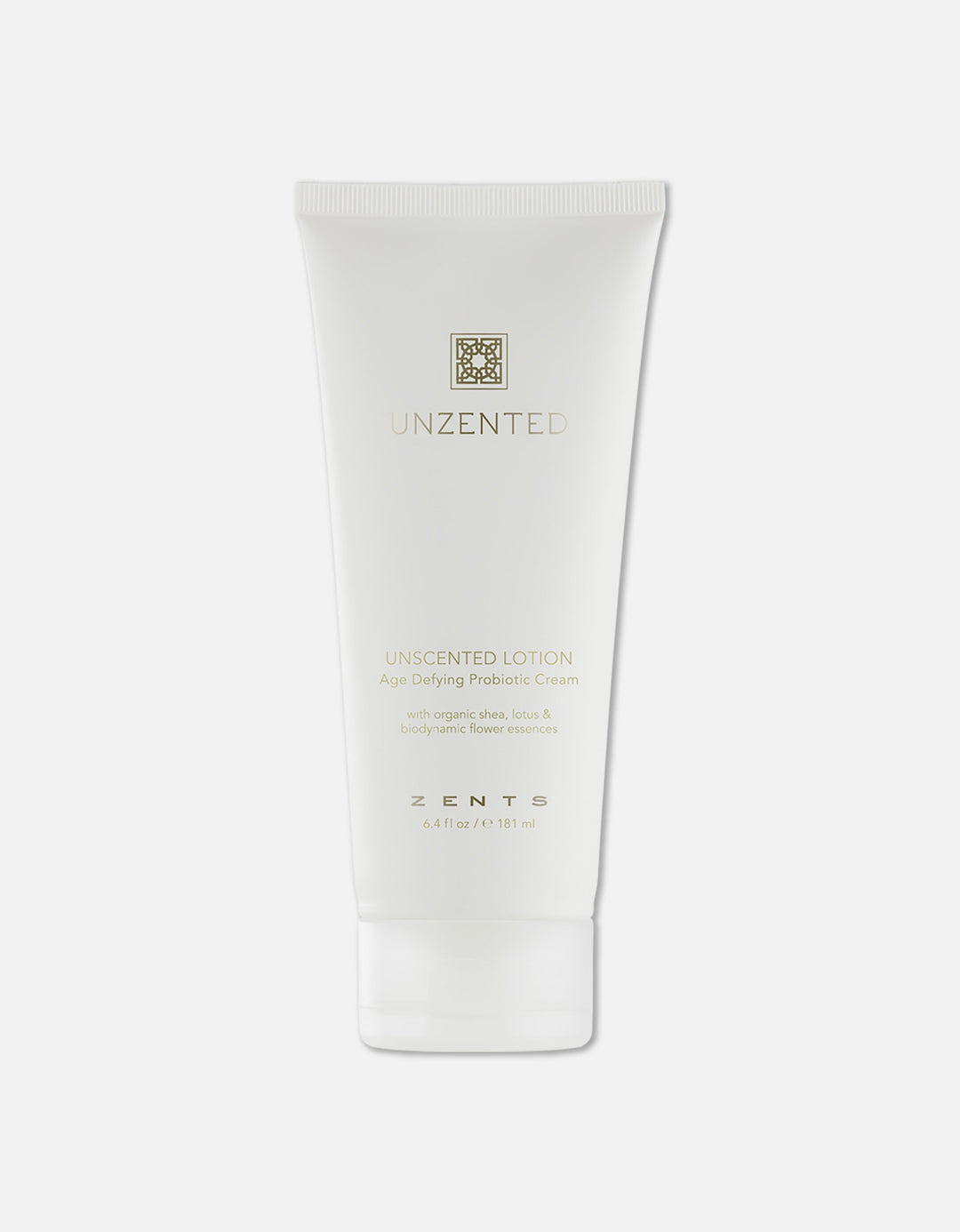
- Apply a fragrance-free lotion lightly to the area. The Unzented Age Defying Probiotic Lotion works well here. Use a thin layer, not the heavier application you'd use after a sunny day. Heat rash doesn't need occlusion. It needs cool.
- Avoid heavy occlusives, oils, and balms while it's active. These can trap heat and make heat rash worse. Save the oil and balm for after the bumps have settled.
- Skip exercise that triggers heavy sweating until it resolves. Two or three days of gentler activity helps the surface settle.
Most heat rash resolves in two or three days once you cool down. If it persists past a week, gets noticeably worse, or includes signs of infection (increasing redness around the bumps, pus, fever), that's a reason to call a doctor.
Polymorphic light eruption: the seasonal sun reaction
PMLE is one of the more common reactions in people whose skin runs sensitive. It tends to appear on the first sunny days of spring or early summer, after skin has spent the winter mostly covered. The reaction often eases or disappears as the season continues and skin gradually acclimates to UV exposure. Many people get it once a year, recognize the pattern, and learn to work with it.
What helps PMLE settle
- Stop further sun exposure to the affected areas. Keep them covered with light, breathable fabric for the next 7 to 10 days. Long sleeves over the arms. A scarf or high neckline over the chest if that's where it appeared.
- Cool the surface gently. A cool shower or compress eases the itching and the soft inflammation. Avoid hot water for the duration.
- Apply a fragrance-free lotion to damp skin. The Unzented Age Defying Probiotic Lotion delivers moisture without the fragrance or essential oils that can compound the reaction. Use it two or three times a day.
- Antihistamine if the itching is significant. An over-the-counter oral antihistamine taken in the evening can ease the worst of the itch and help with sleep. Check with a pharmacist if you're not sure.
- Set aside everything else. No retinoids, no acids, no scrubs, no new products. Skin is asking for the simplest version of your routine for a week or two.
Building tolerance for future seasons
People who experience PMLE often find the reaction is most pronounced in early spring and softer by midsummer. This isn't accidental. Skin acclimates to UV exposure gradually. Some dermatologists recommend short, very gradual UV exposure in early spring (ten to fifteen minutes a day, increasing slowly) for people prone to PMLE, often called hardening. If PMLE is significantly disrupting your spring or summer, it's worth a conversation with a dermatologist about whether this approach makes sense for your skin.
Less common reactions worth knowing about
A few other possibilities are worth recognizing, even though they're less common than heat rash or PMLE.
- Solar urticaria (sun-triggered hives). A rare reaction where hives appear within minutes of sun exposure on uncovered skin. The hives usually fade within a few hours of moving to shade. If you suspect solar urticaria, a dermatology consultation is worthwhile because the management is specific.
- Photosensitivity from medication. Certain medications, including some antibiotics (tetracyclines, doxycycline), diuretics, NSAIDs, and acne medications (isotretinoin), can make skin react more strongly to sun. The rash often looks like an exaggerated sunburn or a small bumpy rash in sun-exposed areas. Check the patient information leaflet of any new medication for photosensitivity warnings.
- Phytophotodermatitis. A reaction that happens when certain plant juices (lime, fig, parsley, celery, parsnip) touch skin and then meet sun. Appears as patches or streaks of redness or blistering in the exact shape of the contact (drips, handprints, splashes). Fades over weeks. Often misdiagnosed as a chemical burn. Worth knowing about if you've been cooking with citrus outdoors.
- Heat rash that has become infected. If small heat rash bumps become surrounded by spreading redness, develop pus, or feel painful rather than itchy, that signals an infection and asks for medical care.
- Folliculitis. Small bumps centered around hair follicles, often on the chest, back, or thighs after sweating or pool exposure. Looks similar to heat rash but is a bacterial or yeast issue. If bumps don't respond to cool care and the usual recovery routine, this may be the answer.
If a reaction doesn't fit either of the two most common patterns, or doesn't respond to the calming care described here, a dermatology visit is worth the time. Many of these less-common reactions have specific treatments that resolve them quickly once correctly identified.
The cool soak ritual that calms most of these reactions
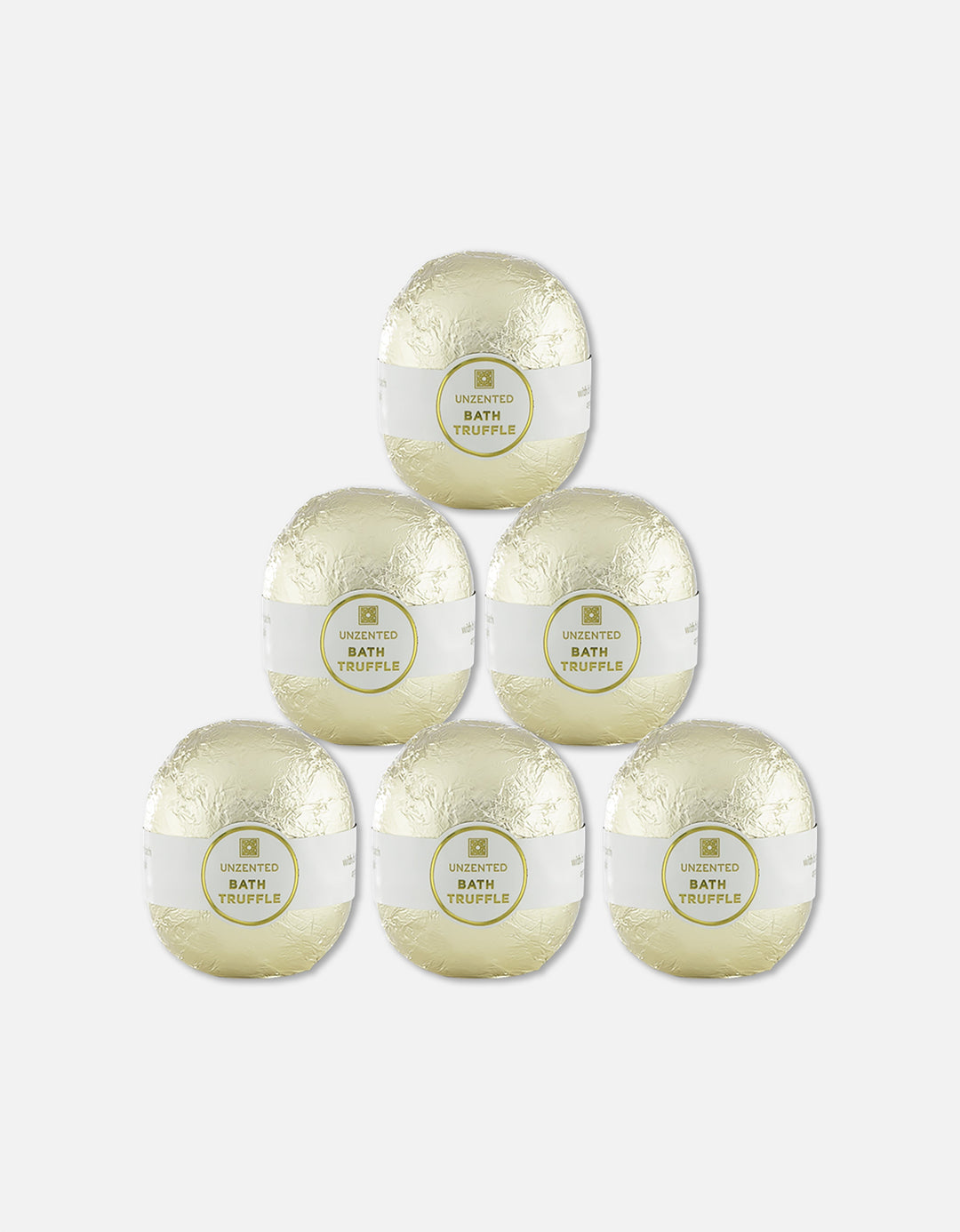
For both heat rash and PMLE, a cool soak is one of the most effective single steps you can take. A bath in lukewarm water with an Epsom and arnica blend like the Zents Bath Truffles calms the surface, eases the itching, and gives skin a chance to settle without the harshness of soap or scrub.
How to take a cool soak for skin that's reacting
- Run a lukewarm bath, not a hot one. The temperature should feel cool to neutral against your wrist, not warm. Hot water makes both heat rash and PMLE worse.
- Add a single bath truffle or your preferred soak. Let it dissolve completely before getting in. The Epsom salts in the Zents truffle ease muscle and surface tension; the arnica is part of the gentling profile.
- Stay in for 10 to 15 minutes. Long enough to calm the surface, not so long that the water cools dramatically against you.
- Don't scrub, don't use a washcloth. Even gentle exfoliation should wait until the reaction has settled. Let the water do the work.
- Step out, pat almost dry, and apply lotion to damp skin within five minutes. The water in your skin from the bath gives the lotion something to bind to.
- Rest afterward in cool, loose clothing. A cool room and breathable fabric for the rest of the evening helps the surface continue to settle.
The cool soak can be repeated daily for the duration of the recovery. For PMLE specifically, many people find one soak in the evening and one in the morning eases the itching enough to sleep and function well.
The daily ritual through a heat rash or PMLE recovery
Whether you're working through heat rash or PMLE, the daily routine looks similar. Both reactions ask for simplicity, fragrance-free products, and patience.
- Morning: Cool shower or rinse. Apply Unzented Age Defying Probiotic Lotion to damp skin. Loose, breathable clothing. Cover any sun-reactive zones if going outside.
- Midday: Reapply lotion if skin feels tight or the itching has returned. Drink water. Stay out of direct heat where possible.
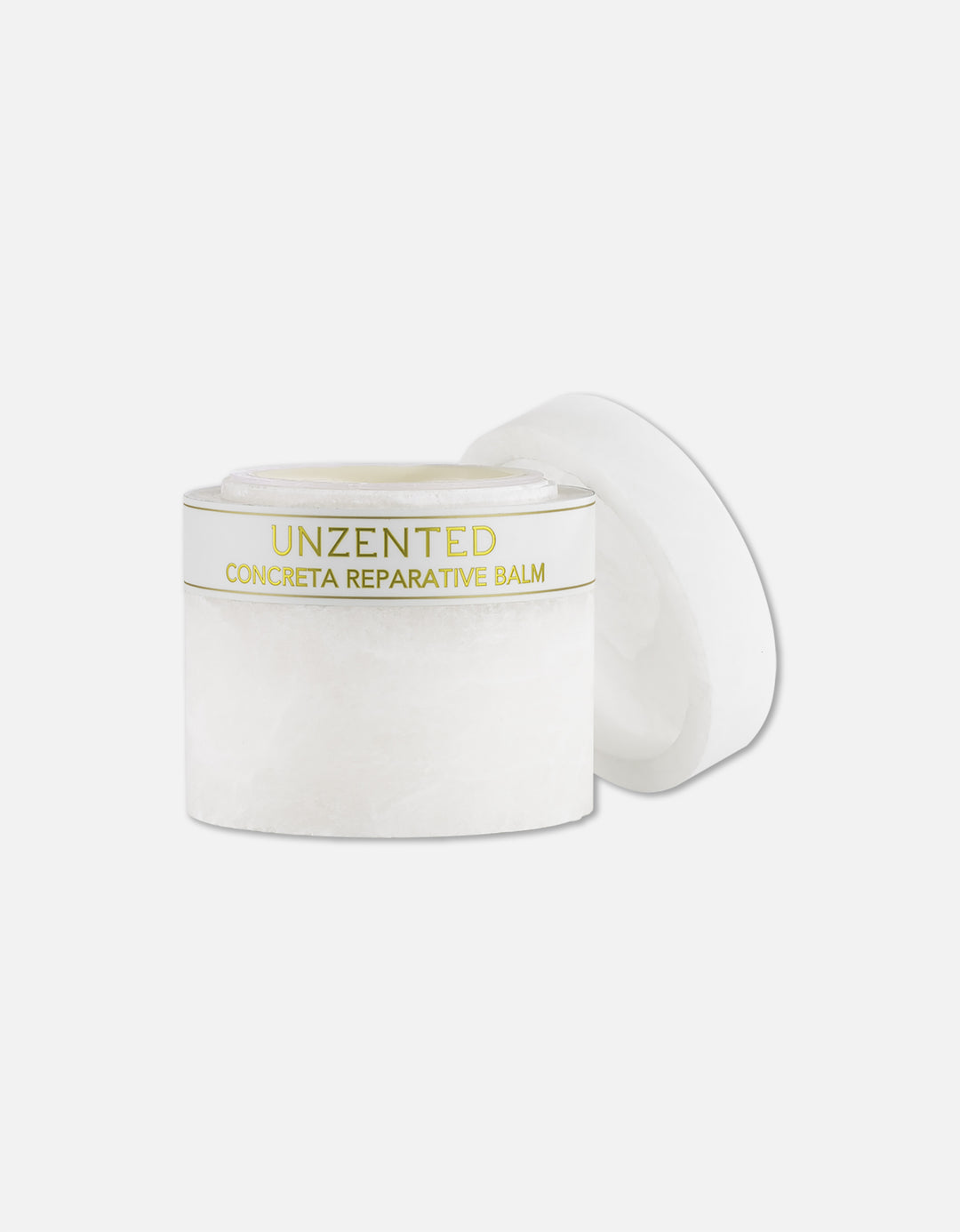
- Evening: Cool soak if you have the time, or a cool shower if not. Unzented Age Defying Probiotic Lotion again to damp skin. A thin layer of unscented Concreta on any particularly itchy patches before bed.
- Overnight: Cotton sheets, a cool room, loose pajamas. The surface settles fastest when it's not fighting heat at night.
Continue this routine until the reaction has fully resolved, then ease back into your usual products gradually. Adding things one at a time helps you notice if something specific was contributing to the reaction.
Prevention for skin that tends to react
Some skin types are more prone to these reactions than others. If you've had heat rash or PMLE before, the patterns tend to repeat, and small adjustments can reduce how often they appear.
For heat rash
- Wear breathable cotton in hot weather, especially in friction areas.
- Shower soon after heavy sweating rather than letting sweat dry on skin.
- Choose lighter, less occlusive products in the hottest weeks. The lotion-only routine is often enough; save oil and balm for cooler evenings.
- Powder gently in friction zones if you tend to chafe. A small amount of cornstarch can help.
For PMLE
- Ease into sun exposure gradually in early spring rather than going straight from winter coverage to a full beach day.
- Wear protective clothing on the first sunny outings of the season. Long sleeves, hats, even when the temperature suggests otherwise.
- Reapply SPF more diligently than usual through April and May.
- Use the fragrance-free Unzented line as your default summer routine if you've had PMLE before. Avoiding scent and essential oils reduces additional reactivity.
- Consider a conversation with a dermatologist about whether gradual UV tolerance-building is appropriate for your skin.
Where the Zents Unzented line fits in calming these reactions
For any skin reaction that has gone past baseline comfort, fragrance-free isn't a preference. It's what skin asks for. The Unzented collection line was originally formulated for the most sensitive applications, including cancer-care spa treatments, where any added scent could be too much. The same considered formulation makes it the right format here.
The three Unzented products that earn their place through a heat rash or PMLE recovery are the Unzented Age Defying Probiotic Lotion, the unscented Concreta from the same line, and the unscented bath truffles for the cool soak ritual. The wash from the Unzented collection line is a kinder choice than your usual body cleanser through the recovery week.
Pull these in for the duration of the reaction. Ease back to your scented favorites once skin feels itself again. Many people who experience seasonal PMLE find that keeping a small Unzented kit specifically for the first month of spring makes the whole season easier.
Frequently Asked Questions
Are heat rash and sun allergy the same thing?
No. Heat rash (miliaria) is a reaction to trapped sweat and blocked sweat ducts. It's triggered by heat and friction, not UV. Polymorphic light eruption (often called sun allergy informally) is a hypersensitivity reaction to UV, triggered by sun exposure. They look similar but have different causes and slightly different management. The comparison table earlier in this guide covers the practical differences.
How long does PMLE last?
A typical PMLE outbreak lasts 7 to 10 days, though it can extend to two weeks. The good news is that it usually resolves on its own with gentle care and avoiding further sun exposure to the affected areas. If a rash doesn't begin easing within a week, or gets worse rather than better, a dermatology visit is worthwhile.
Can I still go in the sun if I have PMLE?
Yes, with care. Once an active outbreak has resolved, you can return to sun exposure gradually. Cover the previously affected areas for a few weeks afterward, use SPF more diligently than usual, and pay attention to whether the reaction is repeating. Many people with PMLE find that as summer progresses, the reaction eases and they can spend time in the sun more freely. If yours doesn't follow that pattern, a dermatology conversation about photosensitivity testing or treatment options can help.
Should I see a doctor for heat rash or PMLE?
For a typical first or second occurrence that resolves within a week or two of gentle care, no. For a rash that's spreading, persisting past two weeks, showing signs of infection (spreading redness, pus, fever), or significantly disrupting your daily life, yes. The Mayo Clinic guidance includes the specific signals worth watching for. PMLE that returns severely every spring is also worth a dermatology consultation, because there are specific treatments and prevention strategies that can help.
Can I use products with essential oils when I have a heat rash or PMLE?
Not while it's active. Even gentle essential oils can compound a sensitive reaction. Switch to fragrance-free for the duration of the recovery, then ease scented products back in gradually once skin feels itself. If a particular scent seems to bring the reaction back, that's useful information about what your skin is asking you to skip.
Are these reactions a sign of something more serious?
Almost never. Heat rash and PMLE are both common, well-understood, and self-limiting. They can be uncomfortable, but they're not dangerous in themselves. The exceptions are signs of infection (which warrant medical care) and reactions that don't fit either pattern (which warrant dermatology evaluation). If you're worried, a phone call to your doctor's office is reasonable. Most of the time, the answer is rest, fragrance-free care, and patience.
Small red bumps and tiny dots after the sun are unsettling but rarely serious. They have names. They have soft answers. Cool soak. Fragrance-free lotion. A few days of patience and breathable cotton. Skin returns to itself, often before the week is out.