
 PÉTALE
 EAU
EAU
 FRAIS
FRAIS
 TERRE
TERRE
 OOLONG
 ANJOU
ANJOU
 SUN
SUN
 MANDARIN
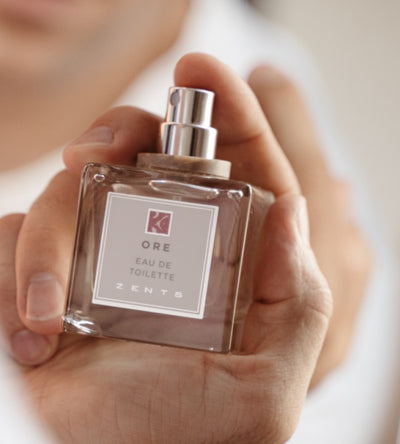
 ORE
ORE
 FIG
FIG
 DÉPROGRAMMÉ
 Ce que nous croyons
 Ingrédients Étoile
 Spa et commerce de détail
 Revue
Revue
 QUIZ
QUIZ

A considered guide to exfoliation timing after sun, what kind of exfoliation is right for which moment, and the honest case for using less of it than most routines suggest.
Exfoliation after sun exposure is one of those small decisions where timing matters more than people expect. The honest answer is: wait. Skip all exfoliation for at least 48 to 72 hours after a sunny day, longer after a real sunburn, and through the entire peeling phase if one appears. When skin no longer feels warm, tight, or unusually sensitive, a gentle body polish used once a week eases the surface back to its baseline smoothness without compromising the barrier. Most people exfoliate more often than skin actually asks for. Doing less, used at the right moments, delivers consistently better results than doing more.
The temptation to exfoliate after sun is strong. The surface feels rough. There's visible flaking. Skin looks dull rather than glowing. The instinct is to scrub it back to smoothness, as quickly as possible, with the same body polish or chemical exfoliant you used to keep skin even before the sunny day. That instinct is almost always wrong. The surface that feels rough after sun is doing its own work of recovery. Interrupting that work with exfoliation is exactly what slows it down.
This guide is the considered look at exfoliation in the post-sun context. When to skip it entirely. When to ease back in. How often is right for body skin specifically (less than face). The difference between physical exfoliation (a body polish, a washcloth, dry brushing) and chemical exfoliation (AHA, BHA, glycolic, lactic, salicylic). The signals that mean you're using too much. And where the Zents Body Polish fits, with its gentle physical exfoliation that complements rather than competes with the rest of the post-sun ritual.
Why exfoliation timing matters more than people expect
The skin barrier is busy after sun exposure. The lipid matrix that holds it together has loosened slightly. The cell turnover that normally happens quietly in the background is accelerated. The calming systems are working through the surface inflammation. All of this is the body doing exactly what it should be doing, and the recovery week is when skin is at its most active in returning to itself.
Exfoliating during this window does two specific things, both unwelcome. It removes surface cells that the body was already preparing to shed on its own schedule, accelerating turnover beyond the natural rate. And it physically or chemically disrupts the barrier that the body is trying to consolidate, making the barrier weaker rather than smoother.
The visible result of exfoliating too soon after sun is skin that looks rougher, not smoother. Patchy peeling instead of even shedding. Sometimes more visible flaking. Sometimes a return of the warmth and tightness that had started to ease. The body's recovery work gets reset, and you end up adding days to the timeline.
The single most useful rule
If skin feels warm to the touch, tight in any zone, or unusually sensitive to your usual products, skip exfoliation. This is true regardless of what the calendar says. The skin's signals are more reliable than the count of days since your last sunny weekend.
The timing window for resuming exfoliation
How long to wait depends on how much sun the skin actually received. The following ranges are reasonable starting points, with the standing rule that skin's signals matter more than calendar days.
| Exposure type | Wait before any exfoliation | Wait before chemical exfoliation |
|---|---|---|
| Brief incidental sun (lunch outside) | 24 to 48 hours | 48 to 72 hours |
| Half day outdoors, with SPF | 48 to 72 hours | 72 hours |
| Full beach day or all-day outdoor event | 5 to 7 days | 7 to 10 days |
| A real sunburn, first-degree | 2 weeks minimum | 3 weeks minimum |
| Active peeling phase | Wait until peeling is complete | Wait an additional week after peeling completes |
| Sunburn with blistering | Until skin is fully closed; consult a doctor | Until skin is fully closed; consult a doctor |
These are the cautious recommendations. Many people will be fine with shorter waits. But the cost of waiting an extra day is small, and the cost of exfoliating too soon is real. When in doubt, give skin more time, not less.
Physical exfoliation vs. chemical exfoliation: the practical difference
Both categories work by accelerating the removal of surface cells. The differences are in how aggressive they are, how easy they are to overdo, and how well-suited each one is to the post-sun moment.
Physical exfoliation
A body polish, a sugar scrub, dry brushing, a washcloth used with friction, a loofah, a textured glove. All work by physical contact removing surface cells. The aggressiveness varies enormously based on the specific product and technique.
- Gentle physical exfoliants (a well-formulated body polish, a soft washcloth used with very light pressure) are kinder to the barrier and easier to control. The user has direct feedback through pressure and duration.
- Aggressive physical exfoliants (loofahs, sugar scrubs with large grains, dry brushes with stiff bristles) can over-exfoliate quickly. Most people use these with more pressure and duration than the barrier wants.
- The risk of over-use is real and common with physical exfoliation, particularly with loofahs and aggressive scrubs used daily. The signs (persistent dryness, reactivity, surface roughness despite scrubbing) usually mean a multi-week pause is the right answer.
Chemical exfoliation
Alpha hydroxy acids (glycolic acid, lactic acid, mandelic acid). Beta hydroxy acid (salicylic acid). Polyhydroxy acids (gluconolactone). Enzyme exfoliants (papain, bromelain). All work by chemically breaking the bonds between surface cells, encouraging them to shed.
- Chemical exfoliants are generally more even and less mechanically aggressive than aggressive physical exfoliation, but they accelerate cell turnover more dramatically, which is exactly what post-sun skin doesn't need.
- They also increase photosensitivity for 24 to 48 hours after use, which means using them while you still have any plans for sun exposure is counterproductive. Apply at night, follow with SPF the next day.
- Strength varies enormously by formulation. A 5% glycolic acid is meaningfully different from a 15%. A 2% salicylic acid is different from a 0.5%. Read the percentage.
Which is better for the post-sun period
When you do resume exfoliation, gentle physical (a well-formulated body polish) is usually the kinder reintroduction. Chemical exfoliation should wait an additional week beyond physical exfoliation reentry. The Unzented Body Polish is built specifically for this use case: enough exfoliation to smooth the surface, gentle enough to not disrupt the barrier the rest of your routine is supporting.
How often is right for body skin
Body skin doesn't need exfoliation as often as face skin. The surface turnover is slower on the body, the barrier is generally thicker, and the consequences of over-exfoliation accumulate more quietly. Most adult bodies do well with one to two times a week of gentle physical exfoliation as a standard practice.
The right frequency, by skin type and routine
- Sensitive or reactive skin: once a week, with the gentlest available formulation. Skip during any active recovery week.
- Normal body skin: once or twice a week. Body polish on a Tuesday and Friday, for example, is a common rhythm.
- Drier body skin, including mature skin: once a week, paired with extra moisturization that evening. Body polish does its work but the dryness asks for more attention afterward.
- Skin with significant body roughness (keratosis pilaris, very dry zones, persistent flaking): twice a week as a standing practice. More than that should be on dermatology guidance, not self-administered.
- During the tan-extension period: skip entirely. The point is to keep surface cells intact.
- During the recovery week after sun: skip entirely for the duration.
Three times a week is more than most people need. Daily exfoliation is too much for almost everyone, regardless of how good a particular product feels. If skin starts asking for daily exfoliation, that's usually a sign the barrier has been compromised and needs a break, not more exfoliation.
The signs you're using too much
Over-exfoliation is one of the more common quiet problems in modern skincare. The signs are easy to miss because they often look like the symptoms the exfoliation was meant to solve in the first place. Knowing the signals is part of using the practice well.
- Persistent dryness despite moisturizing. A barrier that's been over-exfoliated holds onto moisture less effectively. Lotion that used to keep you comfortable for hours stops feeling sufficient.
- Increased reactivity to fragrance, temperature, or new products. A compromised barrier is more permeable to irritants. Things that didn't bother you start to.
- Surface that looks rough despite recent scrubbing. Counterintuitive but common. Over-exfoliation can leave the surface uneven, because the barrier hasn't had time to consolidate between sessions.
- A burning or stinging sensation when applying lotion, oil, or any usual product. A clear signal that the barrier is asking for a break from anything beyond bare-minimum hydration.
- Visible redness or flushing on areas you've been exfoliating regularly. The skin's calming systems are activated by the repeated disruption.
- A glossy, almost shiny quality to the surface that looks like skin but reads as exposed. This is what newly uncovered cells look like, before they've had time to mature.
Any one of these signs means it's time for a multi-week exfoliation pause and a return to barrier-first care. Two or more together usually means a longer pause, often a month, and a slow reintroduction of exfoliation at half the previous frequency.
How to use a body polish for the gentlest possible result
Most people use body polish with too much pressure, too much duration, and in too much of a hurry. Gentler application gets better results.
- Use on lightly damp skin, not soaking wet, not dry. A small amount of water on the surface helps the polish spread evenly without pulling at the cells.
- Apply with very light pressure. The exfoliating particles do the work. Pressure adds aggressiveness without adding benefit.
- Use circular motions, briefly. Twenty to thirty seconds per body zone is enough. Longer is over-doing it.
- Skip the most sensitive areas. The décolletage, the inner arms, anywhere the skin is thinner. These zones don't need polish and respond better to skipping it.
- Rinse thoroughly and pat almost dry. Continue directly into the lotion-and-oil ritual.
- Notice how your skin feels immediately after. If it feels tight, stinging, or unusually exposed, you've used too much. Use less next time.
When to skip polish entirely
- On a day when skin is actively reacting to anything (sunburn, heat rash, sensitivity flare-up).
- During the recovery week after any heavy sun exposure.
- During active peeling.
- During the tan-extension period.
- In the 48 hours before any in-office skin treatment.
- Whenever skin asks for the simpler version of your routine.
Where the Zents Body Polish fits in
The Unzented Body Polish uses a panaceous base with gentle plant-derived exfoliants. The particles are small enough to ease the surface without dragging at the skin, and the base carries the same supportive ingredients found in the rest of the lineup. This means the polish does its exfoliation work while simultaneously moisturizing, which is a meaningful difference from polishes that strip without contributing.
The product is available only in the Unzented (fragrance-free) format, which makes it appropriate for sensitive skin and after-sun recovery moments. There is no scented version specifically because the brand chose to keep this product gentle by default, recognizing that exfoliation already asks something of the barrier and additional fragrance compounds that ask.
Used once or twice a week, the polish complements rather than competes with the rest of the Zents lineup. The lotion, oil, and balm that follow benefit from the slightly smoother surface the polish creates. And the skin's overall texture maintains an even, healthy quality across the season without requiring more aggressive exfoliation.
For the broader summer ritual including how the polish fits into the glow routine, see Lit From Within: Layering for a Real Summer Glow. For the post-sun recovery context, the polish should be set aside during active recovery and reintroduced once skin feels itself.
What to do instead of exfoliating during the recovery week
Skin that's recovering from sun exposure looks dull and rough partly because of the surface inflammation, partly because the cells are doing their natural shedding, and partly because the barrier hasn't yet consolidated. Exfoliating doesn't fix any of these. The things that do help:
- Generous moisturization on damp skin. The Age Defying Probiotic Lotion delivered to skin still damp from a cool shower does more for the visible surface than any scrub. Apply two to three times a day during the recovery week.
- Body oil layered over the lotion. The Luminous Cashmere Body Oil adds the surface quality that catches light evenly and reads as glow rather than dullness. The visible effect is immediate.
- A nightly application of Concreta Reparative Balm on the roughest zones. Targeted overnight nourishment for the chest, shins, and any other area showing the most visible texture change.
- A cool soak in lukewarm water with Epsom salts and gentle plant oils. The bath does what exfoliation seems like it should do, without the disruption to the barrier.
- Drinking water generously. Hydrated skin shows the recovery more evenly across the surface.
- Patience. Most of the visible texture concerns from sun exposure resolve themselves within a week of gentle care. Trying to speed up that timeline with exfoliation almost always lengthens it.
Frequently Asked Questions
Should I exfoliate to help my skin peel after a sunburn?
No. Peeling is the body's natural way of clearing the most damaged cells, and exfoliating speeds up the visible flaking without helping the underlying recovery. Let the peeling complete on its own schedule. Keep the skin well-moisturized to minimize how visible the flaking is. For the full guide to the peeling phase, see Why Skin Itches and Peels After Sun (And the Ritual That Helps).
Can I use a body scrub once my skin no longer feels warm?
Gentle physical exfoliation (a well-formulated body polish, not an aggressive sugar scrub) is generally fine once skin no longer feels warm to the touch, no longer feels tight, and isn't visibly peeling. Wait an extra day or two beyond when you think it's fine, just to be safe. Skip aggressive scrubs and loofahs for at least a week beyond that.
Is it okay to use chemical exfoliants like AHA in summer at all?
Yes, with care. Apply at night only. Follow with SPF the next day. Skip on days when sun exposure is significant. Pause for the recovery period after any heavy sun day. Chemical exfoliants are useful tools but they aren't compatible with heavy sun exposure in the same week. The honest path is to use them less in summer than in winter, and to use the body polish format as your gentler default in the warm months.
How can I tell if my body has texture changes from sun damage vs. just needing exfoliation?
Texture from cumulative sun damage shows up as gradual changes over years, often on chest, neck, and the backs of hands. The texture from a week of post-sun recovery is temporary and resolves with gentle care. If your texture has been consistent for years, it's likely cumulative. If it appeared after a specific sunny week, it's likely temporary recovery. For the longer view on cumulative changes, see Sun-Damaged Skin Over Time: Pigmentation, Texture, and Honest Recovery.
Should I exfoliate before or after my body oil application?
Before. Exfoliate in the shower, rinse, pat almost dry, then apply lotion to damp skin, followed by body oil layered on top. Exfoliating after oil application defeats the purpose of both products; the oil hasn't had time to absorb and the polish particles get coated in oil rather than reaching the skin.
How long should I wait between exfoliation and any sun exposure?
For physical exfoliation, 24 hours is reasonable. For chemical exfoliation, 48 hours is safer. Chemical exfoliants increase photosensitivity, which means recently exfoliated skin burns more easily. Plan exfoliation for evenings when the following day is mostly indoors, or use SPF more diligently than usual for the next 48 hours.
Exfoliation has earned its place in good skincare, used at the right moments. The trouble is that the right moments are fewer than most routines suggest. Skip during recovery. Skip during peeling. Skip when skin asks for the simpler version. Use a gentle polish once or twice a week the rest of the time, with the lotion and oil ritual right behind it. Less, used thoughtfully, gives consistently better results than more used by habit. Skin returns the favor.


