
 PETAL
PETAL
 WATER
WATER
 FRESH
FRESH
 EARTH
EARTH
 OOLONG
 ANJOU
ANJOU
 SUN
SUN
 MANDARIN
 ORE
ORE
 FIG
FIG
 UNZENTED
 What we Believe
 Star Ingredients
 Spa & Retail
 Journal
 QUIZ
QUIZ

A practical look at the after-sun category beyond lotion and oil, what each format does best, where to place it in a complete ritual, and an honest note on the formats Zents quietly chose not to make.
Beyond lotion and body oil, the after-sun category includes mists, body butters, and reparative balms. Each format has a specific job and a specific failure mode. Mists are convenient but light on actual moisture delivery. Body butters are rich and cushioned but can feel heavy on warm skin. Balms are concentrated, targeted, and best reserved for the high-need zones that lose moisture fastest, the shins, the shoulders, the décolletage, the small places where lotion alone isn't quite enough. Knowing where each format earns its place keeps you from layering the wrong texture at the wrong moment, and from spending money on products that look useful in marketing but underperform when summer is actually here.
The after-sun aisle keeps growing. Where there used to be a green gel and a basic lotion, there are now mists, sprays, butters, balms, sticks, foams, sleeping masks, and an increasing number of products that don't quite fit any traditional category. Most of this expansion is marketing rather than meaningful innovation. A few of the format additions are genuinely useful, if you know where they belong.
This guide cuts through the noise. It covers the three formats beyond lotion and oil that earn attention (sprays, butters, balms), the honest reality of where each one helps and where it doesn't, and how to layer them into a coherent ritual without ending up with eight bottles you never reach for. It also names a brand-honest gap. Zents doesn't make a dedicated after-sun mist or body butter, and the reasoning behind those choices is worth being clear about.
Format matters as much as ingredients
Two products can carry a nearly identical ingredient deck and perform very differently based on how the formula is presented. A lotion, a butter, and a balm can all be aloe-and-shea-based, and each one will leave skin in a different state depending on the moment, the body zone, and the level of need. The ingredients tell you what's possible. The format tells you what's practical.
Three things make format matter. How much product the texture actually delivers per application. How long the product stays on the surface of the skin before fully absorbing. And how the texture feels on the specific kind of warm, slightly tight skin that post-sun recovery involves. A great formula in the wrong format becomes a product you don't reach for. A modest formula in the right format becomes a daily habit.
After-sun sprays and mists: where they shine, where they fall short
Spray and mist formats deliver a fine cloud of water-based product over the surface of the skin. The appeal is convenience. A single bottle. No rubbing. No white residue. No waiting. And the cool feeling of mist evaporating against warm skin.
What sprays do well
- Coverage of hard-to-reach areas. A spray reaches the upper back, behind the knees, and the back of the legs more easily than rubbing in a lotion.
- Application without contact. On a fresh sunburn where touch is painful, a spray applies product without pressing on tender skin.
- Layering during the day, over makeup or clothes, on the face when an after-sun mist crosses into facial use. This is a real convenience advantage that lotion can't match.
- A psychological reset. A cool mist at the end of a hot afternoon does feel restorative, even when the actual moisture delivery is modest.
Where sprays fall short
- Moisture delivery per application is small. The fine droplets evaporate quickly. Most of the water never reaches the skin. A few spritzes don't replace the hydration a lotion delivers.
- Many sprays rely heavily on denatured alcohol as a propellant or thickening agent, which is the same problem as the drugstore aloe gel issue. The cool feeling comes from alcohol evaporating, not from real hydration.
- Aerosol propellants are their own concern. Some inhalation exposure is unavoidable with a spray, which matters if you're applying around the face or in a closed space.
- No long-term occlusive benefit. A spray can't seal moisture in the way a lotion or balm can. It's a momentary refresh, not a recovery layer.
Sprays earn a place in the routine for specific moments. A midday refresh on already-moisturized skin. Application over a sunburn that's too tender to touch. Light reapplication when you're outside and want to maintain comfort. They don't replace a thoughtful lotion as the foundational step.
Body butter: when richness is welcome and when it's too much
Body butters are dense, semi-solid formulations heavy on plant butters like shea, cocoa, and mango butter, often with added oils and very little water. The texture is the opposite of a spray. Rich. Cushioned. Slow to absorb. Visibly substantial on the surface of the skin.
Where butter is the right format
- Driest body zones, year-round. Heels, elbows, knees, and the tops of feet often welcome a butter outside the post-sun context too.
- Mature or perimenopausal skin. Reduced sebum production at this life stage means richer formulations stop feeling heavy and start feeling like what your skin asks for.
- The 48-to-72-hour recovery on fair skin that runs toward dryness and visible flaking. A butter layered after lotion does what oil does but with more substantial cushion.
- Winter post-snow recovery. Snow reflects significant UV, and the dry winter air compounds the recovery. Body butter earns its place here.
- Hands and feet specifically. The skin on extremities is thicker and welcomes the richer layering, especially after sun exposure during outdoor activity.
Where butter is too much
- On a fresh sunburn, in the first 24 hours. The thick layer can trap heat and slow the surface from settling. Switch to lotion alone until skin no longer feels actively warm.
- On naturally oily body skin. Butter can feel suffocating. Oil or lotion alone is usually what your skin asks for.
- In high humidity or hot weather. Butter sits on the surface longer than lighter formats, which feels less pleasant when the ambient conditions are already working against absorption.
- Right before getting dressed. Butter takes longer to absorb than lotion. Allow ten to fifteen minutes before clothing, especially anything delicate.
- Daily, year-round, on the whole body. For most skin in most contexts, butter is best reserved for high-need zones or specific recovery periods, not a standing daily product.
Body butter is a useful tool used sparingly. The mistake people make is applying butter to the whole body daily for weeks, which builds up on the surface and can clog pores on the chest and back. Used as a targeted recovery layer or a seasonal product, it earns its place.
Reparative balms: the targeted treatment most people miss
Balms are the most concentrated format in bodycare. A reparative balm typically combines plant butters, waxes, and oils into a semi-solid texture that warms and melts on contact with skin, then forms a long-lasting seal. The format is built for targeted application on the small, high-need zones that ask for more than a lotion can give.
Where balm earns its place in the after-sun ritual
The zones that benefit most from balm after sun exposure are the ones that lose moisture fastest, that are anatomically driest at baseline, and that often get over-exposed because they're hard to keep covered in sunscreen.
- Shins and the tops of feet. The least sebum production of anywhere on the body. Constantly exposed at the beach.
- Décolletage and chest. The skin is thinner, ages faster, and returns to itself more slowly. A nightly balm during summer earns its place.
- Shoulders and the back of the neck. Often sunburned. Often missed by reapplication. Slow to recover.
- Cuticles and the backs of hands. Sun on the hands accumulates more than people notice. Balm at night, applied to clean hands, helps with both moisture and the visible signs of cumulative exposure.
- Heels and elbows. Year-round dry zones. After a beach day, they ask for even more.
- Any small patch that feels noticeably tighter, drier, or rougher than the surrounding skin. This is the daily diagnostic. Where you notice a small zone asking for more, a dab of balm overnight settles it.
How to apply a reparative balm
- Apply over lotion, not instead of it. Balm is the finishing layer, not the base. The lotion delivers moisture. The balm holds it in for the high-need zone specifically.
- Warm a small amount between fingertips. The friction warms the wax and melts the balm into something more spreadable. Don't try to apply cold balm directly.
- Press in, don't rub. A pea-sized amount covers a surprising amount of skin when pressed in. Rubbing wastes product and can drag at delicate skin.
- Use at night for the slowest, most sustained release. Balm at night, lotion plus oil in the morning, is a common pattern for the recovery week.
Why Zents doesn't make a dedicated after-sun mist
It's worth being direct about this. Zents doesn't currently make a dedicated after-sun mist, body butter, or marketed sunburn-relief gel. The product lineup is built around lotion, body oil, reparative balm, moisture wash, bath truffles, body polish, and a small hair line, with eleven core scents and the fragrance-free Unzented variants.
The reasoning isn't an oversight. Mist formats often rely on either denatured alcohol or aerosol propellants, neither of which fits the brand's clean ingredient standards. Body butters, while they have a legitimate niche, aren't always the best daily format, and a dedicated butter line would compete with the existing lotion and Concreta for the same use cases. Marketed sunburn-relief gels are usually positioned products with marginal formula differences from existing lotions, where the marketing claim does most of the work.
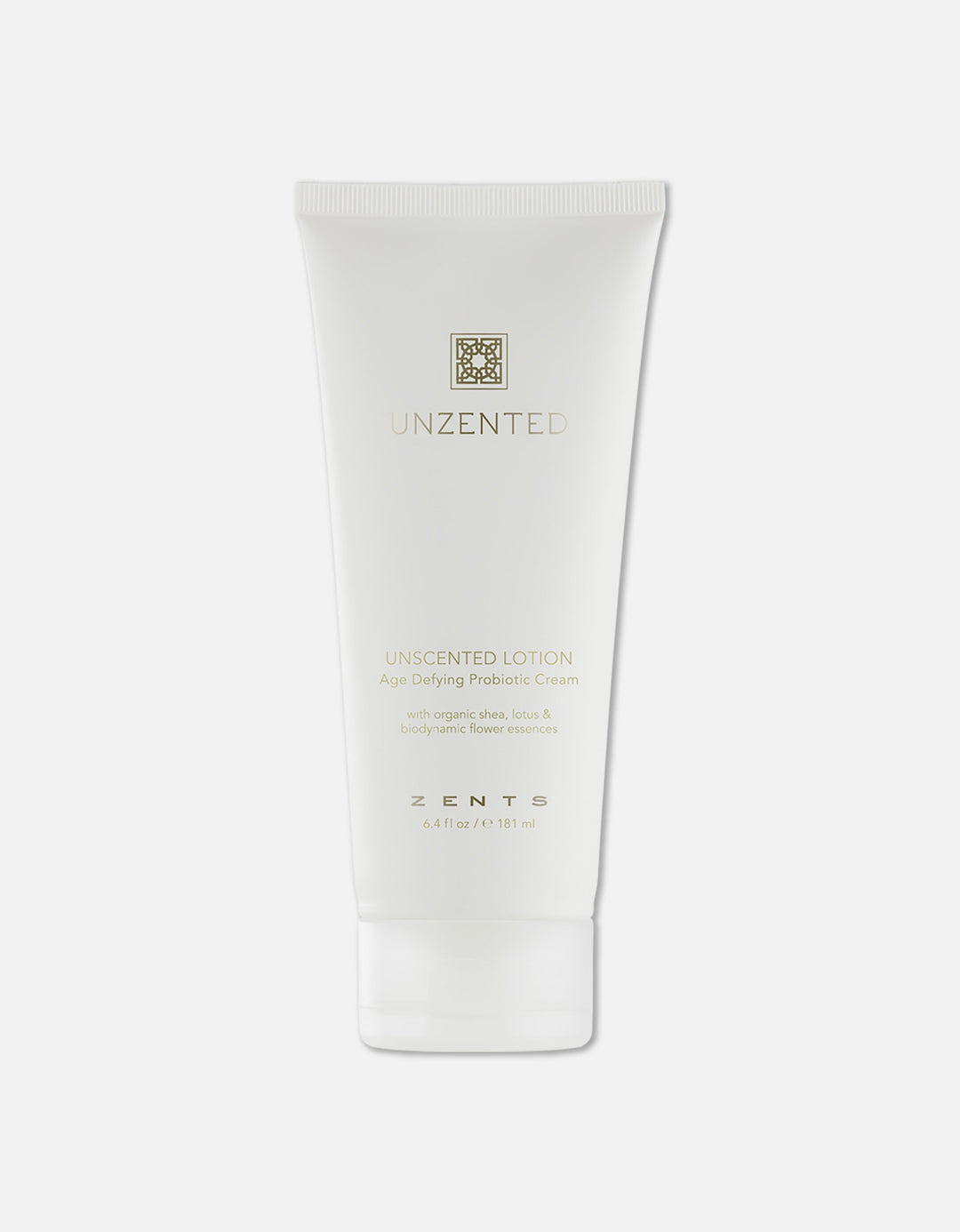
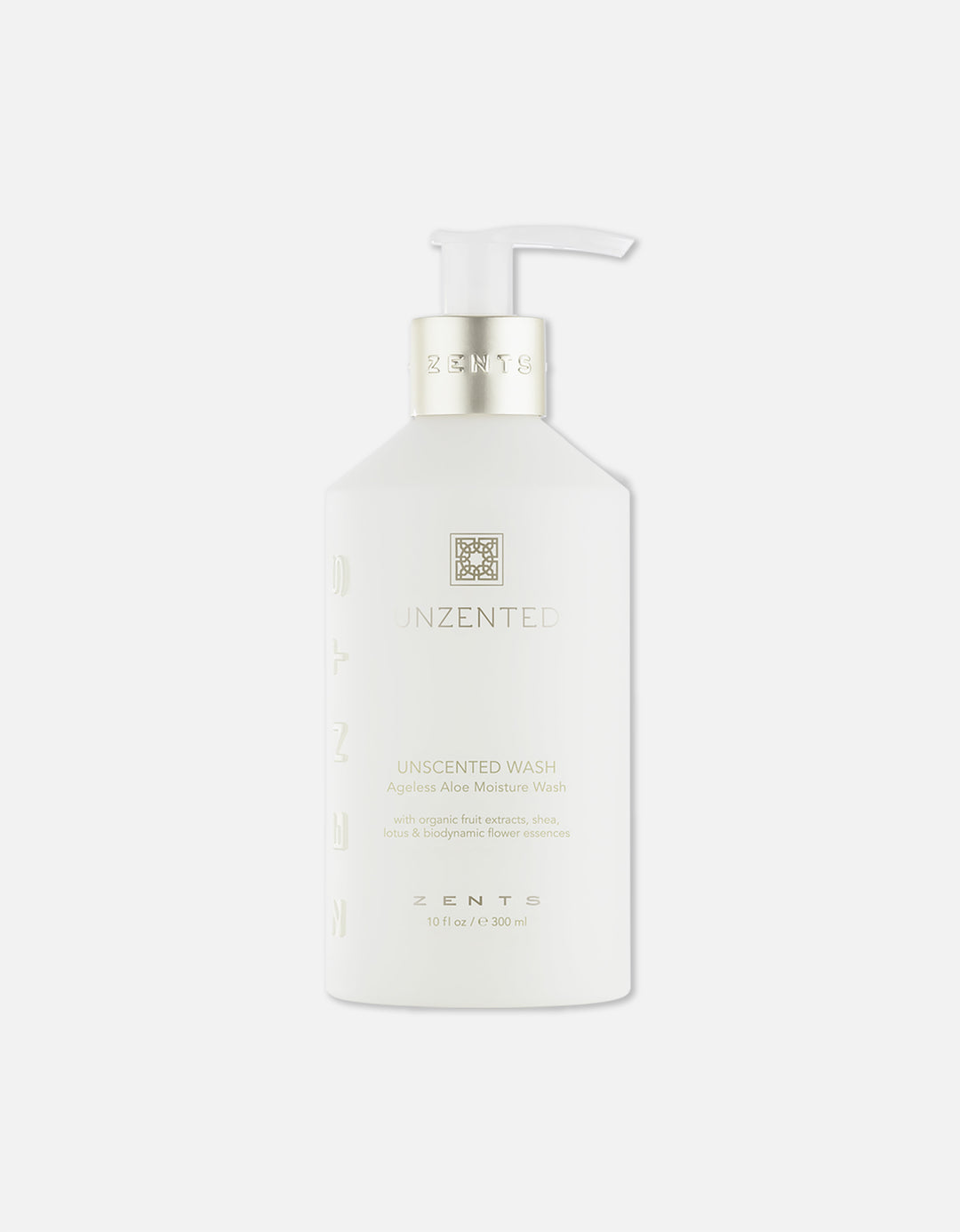
What Zents does instead is build a small set of products that cover the same use cases in different formats. The Age Defying Probiotic Lotion addresses what most mists are positioned to do. The Concreta Reparative Balm is the brand's answer to both balm and butter use cases. The Ageless Aloe Moisture Wash replaces the cool-gel step with a cleansing format that integrates into a shower ritual. This makes for a smaller, more considered lineup, with the trade-off that a few specific format preferences aren't available in the line.
If a cool mist is something you want in your routine specifically for the convenience, a clean, alcohol-free aloe spray from another brand can pair with the rest of the Zents ritual without issue. Apply it midday on already-moisturized skin, then return to the lotion-plus-oil layering for evening recovery. The mist becomes a touch-up tool, not the foundational step.
The complete after-sun format toolkit, by body zone
Here's a practical mapping of which format goes where in a complete ritual. This is the version most Zents customers settle into after a few summers of refinement.
| Body zone | Daily summer maintenance | Heavy exposure recovery |
|---|---|---|
| Arms and legs (large surface area) | Lotion to damp skin | Lotion + body oil layered |
| Torso and chest | Lotion | Lotion + body oil; balm on the décolletage at night |
| Shins, tops of feet | Lotion + balm | Lotion + balm both morning and night |
| Shoulders, back of neck | Lotion | Lotion + oil; balm at night |
| Décolletage | Lotion | Lotion + oil + balm at night |
| Hands and cuticles | Lotion or balm | Balm at night, lotion through the day |
| Hair (mid-lengths and ends) | Conditioner | Conditioner + body oil as overnight treatment |
| Heels and elbows | Lotion + balm | Balm year-round; more after sun |
This looks like a lot of layering, but in practice it's two or three products applied in sequence, with the balm reserved for the specific zones that ask for it. The whole sequence takes about five minutes for a full evening ritual, and there's nothing here that requires aggressive technique or careful timing beyond the damp-skin lotion step.
Where the Zents Concreta Reparative Balm fits in
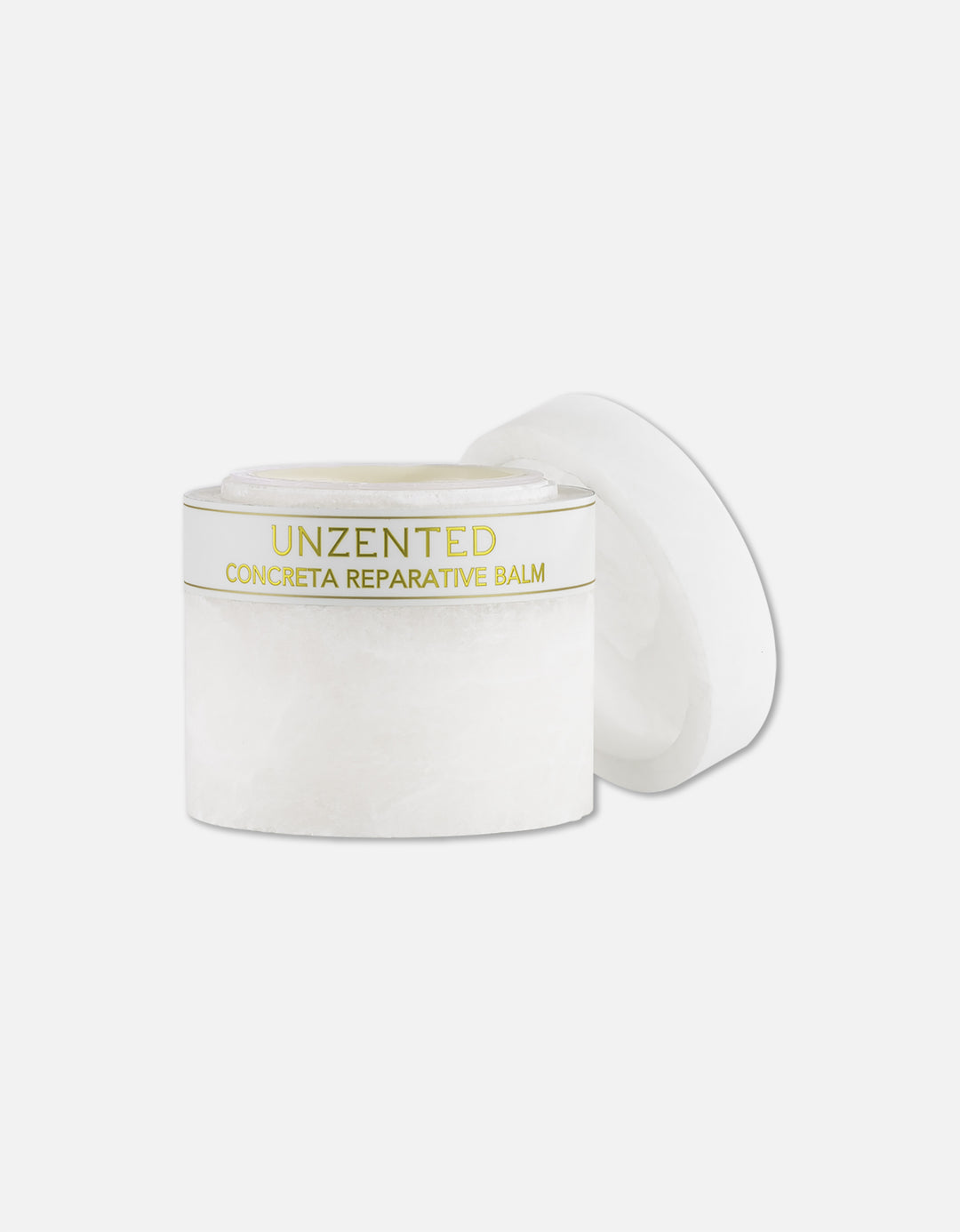
The Concreta Reparative Balm is the brand's targeted recovery format. The base is panaceous, a considered blend of plant butters, lipids, and waxes built around organic shea, with the same probiotic ingredient family found in the lotion. The texture is firm at room temperature and melts on contact with warm skin into a rich, cushioned layer that stays put through the night.
The Concreta Reparative Balm comes in twelve scents, including the Unzented option for sensitive skin and post-sunburn use. The same Sun seasonal anchor of the Sun scent collection is available in balm format, as are the Mandarin, Water, and Earth scents that read most naturally as summer companions. The balm pairs beautifully as the third layer over the matching Age Defying Probiotic Lotion and Luminous Cashmere Body Oil from the same scent family.
On price-per-use, the balm is the most efficient product in the lineup. A small jar lasts months because of how little you use per application. A pea-sized amount covers both shins or the entire décolletage. Many Zents customers keep a balm on the nightstand year-round, reaching for it on dry nights regardless of the season.
The other less-discussed use is travel. Solid balms aren't subject to the liquid restrictions on flights, and a balm jar covers many of the recovery functions you'd otherwise need lotion and oil for. A jar of Concreta plus a travel-size lotion makes a complete post-sun kit in a single small toiletry pouch.
Frequently Asked Questions
Do I need a body butter or is a rich lotion enough?
For most people most of the time, a well-formulated rich lotion is enough. Body butter earns its place for specific moments. Mature or perimenopausal skin. The 48-to-72-hour heavy recovery window after a major sun day. Dry winter conditions. The high-need zones like heels and elbows. As a daily year-round product on the whole body, butter is usually more than skin asks for. The Age Defying Probiotic Lotion paired with the Concreta Reparative Balm on the high-need zones covers most of what people would otherwise reach for butter to do.
Are after-sun sprays worth the money, or are they mostly marketing?
It depends on the formula. A spray heavy on denatured alcohol is mostly a momentary refresh, not a meaningful recovery product. A clean, alcohol-free aloe spray can play a real role as a midday touch-up or a no-touch application over a sunburn. As your foundational post-sun step, sprays don't deliver enough moisture per application. As a supplementary tool in a layered routine, a well-made one earns its place. Read the ingredient list before deciding.
Can I use a reparative balm all over my body, not just on small zones?
You can, but it isn't the most efficient use. Balms are concentrated. A small amount covers a lot of skin. Applying balm everywhere creates a heavier occlusive layer than most skin asks for. The smarter use is balm on the specific high-need zones (shins, décolletage, heels, hands at night, any small dry patch) layered over lotion applied to the whole body. That said, on fair, mature skin during heavy winter or post-sun recovery, balm-everywhere applications are sometimes the right call.
What's the difference between a body butter and a reparative balm?
Body butter typically contains some water and is whipped or churned to a softer, scoopable texture. Reparative balm is anhydrous (no water) and uses waxes alongside the butters and oils to create a firmer, more concentrated format. Butter feels softer and spreads more easily over larger areas. Balm is denser, lasts longer per application, and is built for targeted high-need use. Both have their place. A complete bodycare lineup often carries versions of each format, though Zents specifically focuses on lotion and balm and skips the butter format.
Is a balm safe to apply to a sunburn?
After the first 24 hours, yes. In the first day of an active sunburn, when skin is still hot to the touch, avoid any heavy seal that could trap heat. Use lotion alone until skin no longer feels actively warm. Once you're past the initial inflammation, a clean unscented balm (like the unscented Concreta variant in the Unzented collection line) is well-suited to the peeling phase and helps minimize visible flaking. See How to Recover from a Sunburn: A Skin-First Recovery Plan for the full sunburn plan.
How do I store balm so it doesn't get too soft or too hard?
Balm performs best at room temperature. In a hot summer kitchen or bathroom, it can soften enough to look melted in the jar. This is purely cosmetic and doesn't affect performance. If the balm is too firm to scoop easily, warm the jar briefly in your hand or in a warm bathroom for a minute. The firmness will ease without needing to put the jar in heat. Avoid direct sunlight or extreme temperature swings. Otherwise, balms are forgiving and stable for years if kept clean.
The after-sun aisle keeps growing, but the foundational ritual hasn't really changed. Lotion to damp skin does most of the work. Oil seals it in. Balm goes on the specific zones that ask for more. Mists earn their place as a midday refresh, when the formula deserves it. Three products in the right order beat eight products applied without thought. Build the small, considered toolkit, and let the rest of the category stay on the shelf.