 PÉTALE
 EAU
EAU
 FRAIS
FRAIS
 TERRE
TERRE
 OOLONG
 ANJOU
ANJOU
 SUN
SUN
 MANDARIN
 ORE
ORE
 FIG
FIG
 DÉPROGRAMMÉ
 Ce que nous croyons
 Ingrédients Étoile
 Spa et commerce de détail
 Revue
Revue
 QUIZ
QUIZ

A considered guide to caring for hair through summer, what sun, chlorine, and salt water actually do to it, and the small daily ritual that keeps lengths supple and shine intact across the season.
Hair experiences sun, salt water, and chlorine the same way skin does: by losing the lipid layer that holds moisture in, and by becoming drier and more porous than it was before. The repair is just as accessible. A gentle, balancing shampoo. A hydrating conditioner with humectants and barrier-supporting ingredients. A body oil used as a leave-in treatment on damp lengths. An occasional overnight oil treatment for hair that has spent a hard day in chlorine or salt. Done consistently through summer, this small ritual keeps lengths supple, color richer for longer, and the surface of the hair quietly glossy in a way that aggressive treatments can't replicate.
There is a particular condition hair reaches by mid-summer that most people who spend time outdoors recognize. The ends are drier than they were in May. Color looks faded or brassy. The mid-lengths catch the light unevenly. There is no single moment when this happened. It accumulated quietly across pool afternoons, beach trips, long walks in bright sun, and the gradual loss of the lipid layer that holds healthy hair together. The good news is that the recovery doesn't require dramatic treatments. The small daily ritual does most of the work.
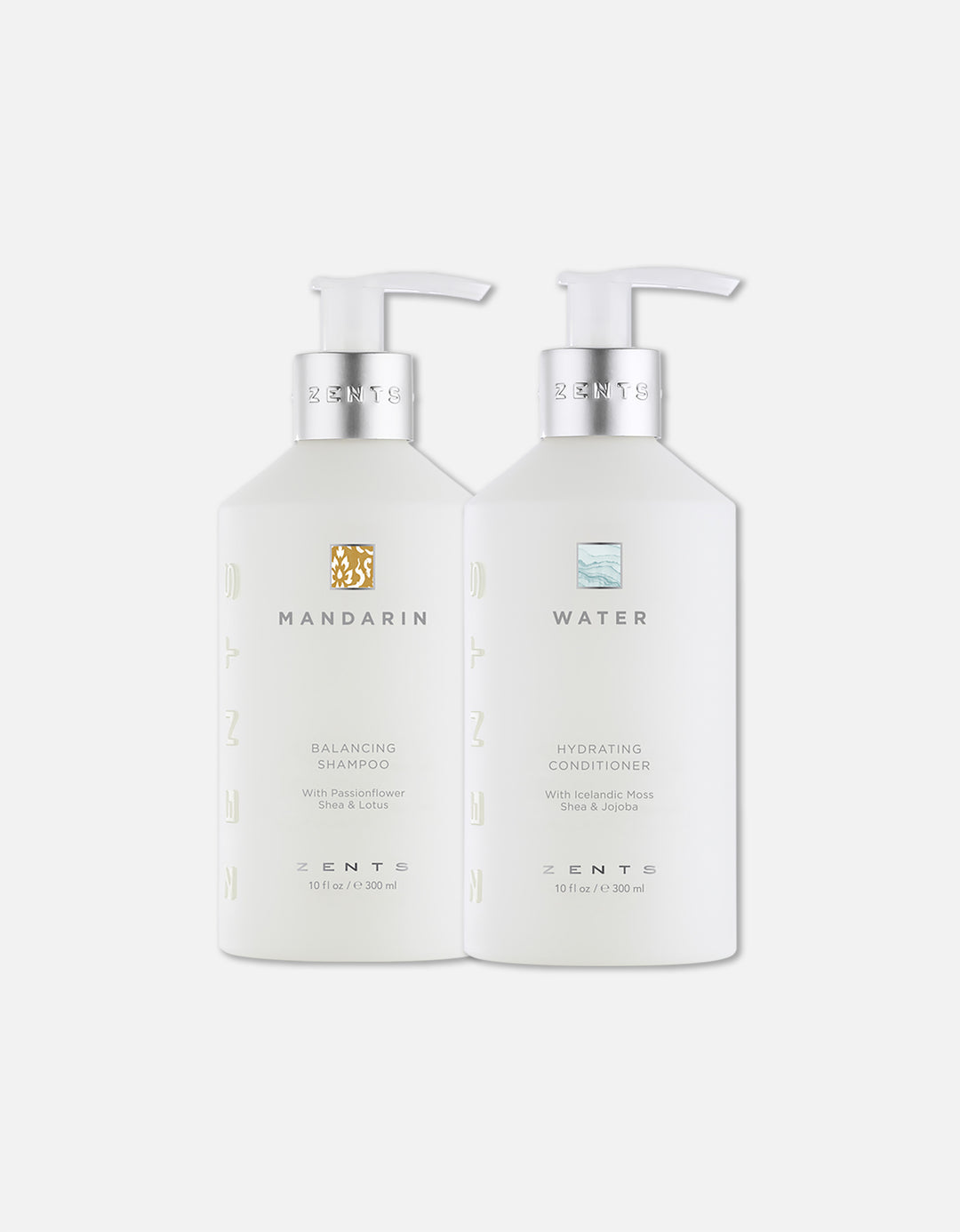
This guide is the practical, considered walk-through of summer hair care. What's actually happening to hair under sun, chlorine, and salt. The daily ritual that maintains comfort across the season. The role of body oil as a dual-use hair treatment that most people don't realize they already have on hand. The deeper treatments worth doing once a week or before a big outing. Adjustments for fine hair, color-treated hair, coily and curly hair, and graying hair specifically. And where the small Zents hair lineup, Mandarin Balancing Shampoo and Water Hydrating Conditioner, fits as the foundation of the routine.
What sun, salt, and chlorine actually do to hair
Hair is structured like a layered cable. The cortex in the middle carries most of the strength and color. The cuticle on the outside is a layer of overlapping scales, like roof tiles, that protect the cortex and keep moisture in. Healthy hair has a smooth, flat cuticle that catches light evenly. Damaged hair has a raised, rough cuticle that catches light unevenly and lets moisture escape.
Soleil
UV exposure breaks down the lipid layer on the cuticle and weakens the proteins (mostly keratin) that make up the cortex. The result is hair that's slightly more porous, slightly weaker, and noticeably more prone to dryness and breakage. Color-treated hair shows the effect first because the bonds that hold artificial color in the cortex are particularly vulnerable to UV. Natural color also fades with cumulative sun exposure, especially in darker hair where the cool brown tones can shift toward warmer red.
Chlorine
Chlorine is a strong oxidizer designed to kill bacteria in pool water. The same property makes it hard on hair. It strips the natural lipid layer of the cuticle, can react with metals in the water to create unwanted color shifts (the green tint that some blonde hair takes on after pool exposure), and accelerates the surface dryness that sun exposure has already started. A swim in chlorinated water has a longer-lasting effect on hair than most people realize.
Salt water
Ocean salt has a different mechanism. It draws moisture out of hair through osmosis, the same way salt draws moisture out of food in cooking. The hair shaft loses water rapidly when exposed to salt, which leaves it stiff, dry, and prone to breakage. Salt water also leaves a residue that, if not rinsed out, continues drawing moisture for hours after the swim ends.
All three together (a typical beach day with sun overhead, ocean swims, and a poolside shower) does cumulative work on hair. The small ritual that follows is what either lets that damage compound or eases it back to baseline.
The daily summer hair ritual
The full ritual is short and doesn't require new products beyond what most people already have on hand. The point is consistency, not elaborateness.
- Morning shower, cool to lukewarm. Use a small amount of Mandarin Balancing Shampoo. This formula uses sea kelp and green tea in a gentle, balancing base that cleanses without stripping. Work into the scalp specifically, not into the lengths, and let the suds rinse through the lengths as the water carries them down.
- Apply Water Hydrating Conditioner to the mid-lengths and ends. Skip the roots unless you have very dry scalp. The conditioner uses organic shea butter, carrot extract, and ginseng to hydrate and ease the cuticle smooth. Leave on for two or three minutes while you continue your shower.
- Rinse with cool water as the final step. Cool water helps the cuticle lie flat, which is what creates the smooth, light-catching surface of healthy hair. Even thirty seconds of cool rinse makes a visible difference.
- Pat-dry with a microfiber towel or soft cotton. Skip the rough terry cloth that pulls at the cuticle. Squeeze rather than rub.
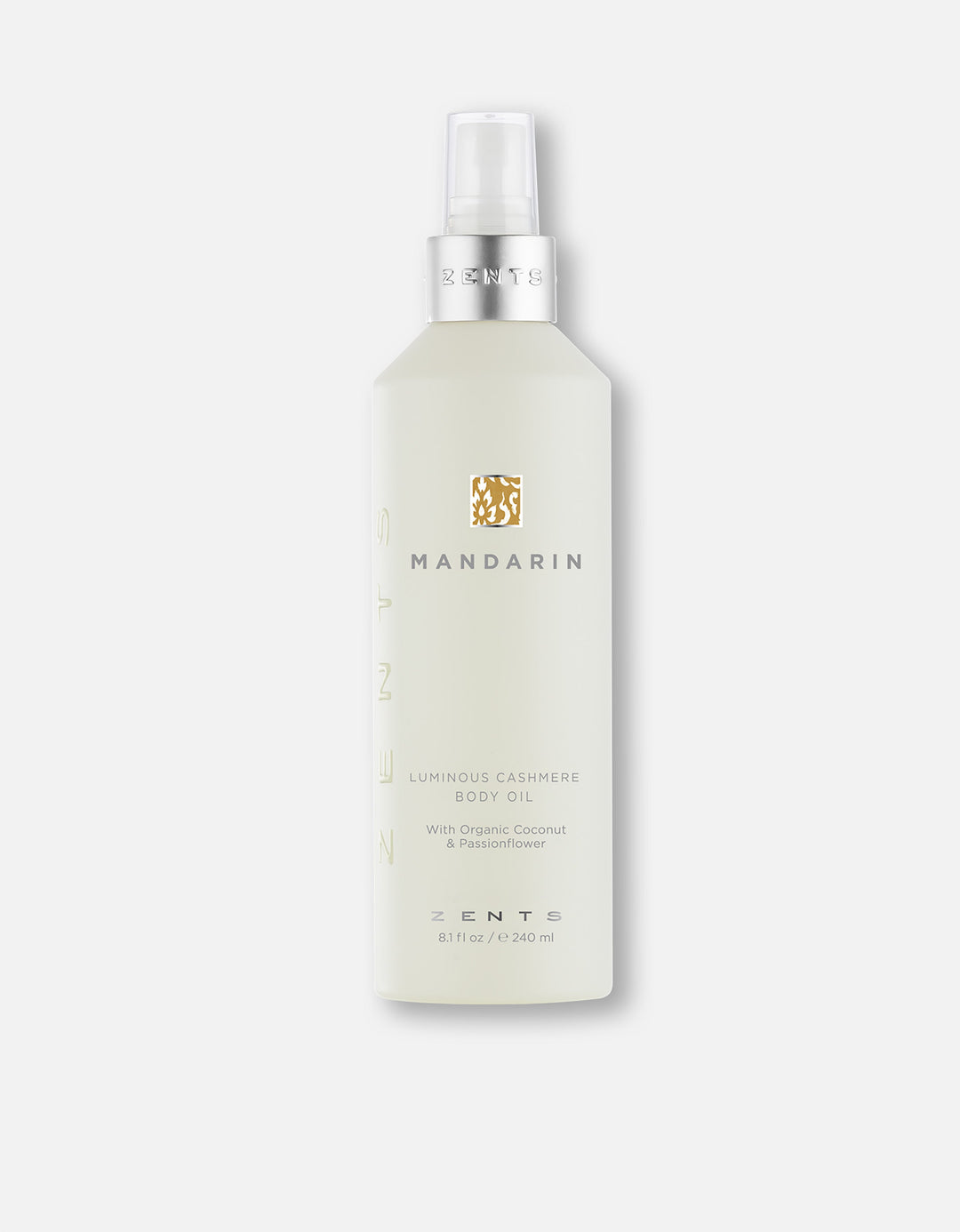
- Apply a small amount of Luminous Cashmere Body Oil as a leave-in. Two or three drops, warmed between your palms, smoothed through the mid-lengths and ends. Avoid the roots. This is one of the highest-value steps in the daily summer ritual.
- Let hair air-dry when possible. Heat styling on summer-damaged hair compounds the damage. Air-drying lets the natural texture come through and minimizes additional stress.
This routine takes about four minutes once it's habitual. The cumulative effect across summer is the difference between hair that visibly recovers as the months go on and hair that keeps degrading.
Body oil as a dual-purpose hair treatment
This is one of the better-kept open secrets of clean bodycare. A well-formulated body oil works beautifully as a hair treatment, and the same product you're already applying to your skin after the sun is doing useful work on hair too. The plant oils that support the skin barrier are the same ones that support the hair's cuticle.
The five ways to use body oil on hair through summer
- Daily leave-in, on damp hair. Two or three drops smoothed through mid-lengths and ends after the shower. The most common use. Gives hair a soft, conditioned quality through the day.
- Overnight pre-wash treatment, for deeper recovery. Six to eight drops worked through dry hair an hour before bed. Sleep on a silk pillowcase. Shampoo and condition in the morning. The longer contact time gives the oils time to penetrate deeper into the cuticle. Do this once a week through summer, or the night after a heavy beach day.
- Daytime smoother for dry styling. A single drop, warmed between palms, skimmed lightly over the surface of styled hair. Calms flyaways. Adds a soft sheen. Doesn't weigh hair down if used sparingly.
- Pre-swim protective layer. A light layer of oil through dry hair before pool or ocean exposure creates a protective lipid film that reduces how much chlorine or salt actually reaches the cuticle. Less is more here. Enough to coat without making hair look greasy.
- Touch-up after a swim before reapplying styling. Rinse out the pool or ocean water, then apply a few drops of oil to the damp hair before any other styling. The recovery from the swim starts immediately.
The Luminous Cashmere Body Oil works well in any of these contexts. The texture is light enough to absorb cleanly into hair without leaving residue, and the eleven scents mirror the rest of the lineup, which lets the scent layer described in Lit From Within: Layering for a Real Summer Glow extend into the hair as part of the larger ritual.
One bottle of body oil lasts a long time when split between skin and hair use. Even daily application to both adds up to a few drops total per day.
Hair protocol for pool and beach days
The two highest-impact things you can do for hair on a beach or pool day are quick, simple, and the things most people skip. Both happen at the edges of the swim itself rather than during.
Before the swim
- Wet your hair with fresh water before getting in. Hair that's already saturated with fresh water absorbs less of the chlorine or salt water it's about to meet. The cuticle can only hold so much; if it's already holding clean water, there's less room for the pool water.
- Apply a light layer of body oil through the lengths. Two or three drops warmed between palms, smoothed through mid-lengths and ends. The oil creates a protective barrier that reduces what reaches the cuticle.
- Consider a swim cap for serious pool sessions. Even an imperfect one cuts the chlorine exposure substantially. Useful for swimmers who train in chlorinated pools regularly.
Right after the swim
- Rinse with fresh water as soon as possible. Even a quick rinse at the poolside or beach shower removes much of the salt or chlorine residue before it can continue working on the cuticle.
- Reapply body oil to the damp lengths. Three or four drops worked through. This sets up the rest of the day for better hair recovery.
- Shampoo and condition fully when you're back inside. Don't wait until the next morning. The chlorine or salt residue continues drawing moisture overnight if it's not washed out.
These small steps at the edges of a swim make the cumulative effect of summer pool and beach days dramatically less harsh on hair. The difference is visible by the end of August, even after many swims.
Weekly deeper care for summer-stressed hair
Once a week through summer, a deeper treatment session does work the daily ritual can't quite match. The combination of longer contact time, heavier products, and uninterrupted absorption gives hair a meaningful boost.
The weekly overnight oil treatment
- Brush hair gently to remove tangles. Use a wide-tooth comb. Avoid pulling at knots.
- Apply Luminous Cashmere Body Oil generously through the lengths. Six to eight drops, or more if hair is particularly long or thick. Work through the mid-lengths and ends. Skip the roots.
- Optional: warm the oil briefly first. Hold the bottle in warm water for thirty seconds. Warm oil penetrates the cuticle more effectively than room-temperature oil.
- Twist hair into a loose bun or braid. Cover with a silk scarf if you have one.
- Sleep on a silk or satin pillowcase. Cotton pillowcases absorb some of the oil and create friction that can compound damage. Silk lets hair slide rather than catching.
- In the morning, shampoo twice with Mandarin Balancing Shampoo. The first wash removes the oil; the second wash leaves hair cleanly conditioned.
- Condition normally with Water Hydrating Conditioner. Skip any additional leave-in for that day to let the overnight treatment do its full work.
Once-a-month deeper treatment
For hair that's particularly stressed or color-treated, a more substantial monthly treatment can be worth the time. A hot oil treatment, a protein mask (used carefully; over-use of protein can stiffen hair), or a salon-administered deep conditioner. These deeper treatments are most useful when paired with consistent daily care, not as a substitute for it. A dramatic monthly treatment doesn't undo six days of harsh shampoo, hot water, and missed conditioning.
Adjustments for different hair types
The core ritual works across hair types. The adjustments below help match the routine to specific hair behavior.
| Hair type | Adjustment to the ritual |
|---|---|
| Fine hair | Use less oil. One drop as leave-in, never more than two. Skip overnight oil treatments or do them only every two weeks. |
| Thick or coarse hair | Use more oil. Three to four drops as leave-in. Overnight treatments weekly. Heavier conditioner application. |
| Color-treated hair | Pre-swim oil layer non-negotiable. Cool water rinse essential. Limit chlorine exposure when possible. Use a color-safe conditioner. |
| Coily and curly hair (Type 3-4) | Conditioner is the main daily product, leave a small amount in. Oil applied to damp hair seals the cuticle. Avoid sulfate-heavy shampoos through summer; the brand's gentle base is well-suited. |
| Graying or silver hair | Hair often runs drier and more porous in this stage. The hydrating conditioner becomes especially valuable. Oil daily, lightly. Cool water rinse always. |
| Heat-styled hair | Add a heat protectant before any thermal styling. Reduce styling temperature in summer. Air-dry when possible. The barrier-supportive ingredients work harder against heat damage than they do on un-styled hair. |
| Hair on a scalp condition (psoriasis, seborrheic dermatitis) | Follow your dermatology guidance for scalp treatment. The daily lengths-care ritual can still work; just adapt the scalp portion to your specific routine. |
Most hair types benefit from the same underlying principles: gentle cleansing, generous conditioning, cool rinse, body oil as a leave-in, occasional deeper treatments. The execution adjusts; the structure doesn't.
The scalp through summer
Hair gets most of the attention in summer hair care, but the scalp deserves its own consideration. The skin on the scalp is still skin, and the same things that affect the body affect it: sun, sweat, dryness, irritation.
- The scalp can sunburn. Particularly in thin or short hair, the part line, and along the hairline. A wide-brimmed hat is the gentlest protection. Spray sunscreen designed for hair can work but should be reapplied like any sunscreen.
- Sweat and sebum accumulate. A daily gentle shampoo through the warmest weeks is reasonable, even if your usual rhythm is every other day. The scalp asks for more attention in summer.
- Dandruff and seborrheic dermatitis often flare in summer. Heat, sweat, and pool chemicals can all aggravate scalp conditions. If yours flares predictably, talk to a dermatologist about a summer protocol that includes any prescription treatments you need.
- Scalp massage during shampooing helps. Use fingertips, not fingernails. Two minutes of gentle massage through the cleansing step supports blood flow and helps the shampoo do its work.
- Avoid heavy oils on the scalp. Oil belongs in the lengths, not the roots. A scalp coated in body oil can feel greasy quickly and may contribute to clogged follicles.
Where the Zents hair lineup fits in summer care
The Zents hair line is intentionally small. The Mandarin Balancing Shampoo and the Water Hydrating Conditioner are the two products, available in a single signature scent profile each. Both are formulated with the same principles as the rest of the brand: clean, plant-based, considered formulation, gentle on the surface they meet.
The Mandarin Balancing Shampoo uses sea kelp and green tea in a balancing base. The formulation is gentle enough for daily summer use, which matters when sweat and pool exposure ask for more frequent cleansing. It cleanses without stripping, which is the difference between a shampoo that supports hair through summer and one that compounds the dryness.
The Water Hydrating Conditioner uses organic shea butter, carrot extract, and ginseng to deliver moisture and ease the cuticle smooth. The hydration density is well-suited to summer-stressed hair, and the formula rinses out cleanly without leaving residue.
The Luminous Cashmere Body Oil serves as the third product in the hair routine, even though it's officially a bodycare product. Daily as a leave-in, weekly as an overnight treatment, occasionally as a pre-swim protective layer. The dual-use nature is part of why the small Zents lineup covers more ground than the product count suggests.
Together, these three products plus a silk pillowcase and the willingness to rinse with cool water make up a complete summer hair routine. No additional purchases required.
Frequently Asked Questions
Does body oil really work as a hair treatment, or do I need a dedicated hair oil?
Well-formulated body oil works as a hair treatment, and a dedicated hair oil isn't required for most use cases. The plant oils that support the skin barrier (coconut, jojoba, squalane, sweet almond) are the same ones that support the hair cuticle. What matters is the formula quality. The Luminous Cashmere Body Oil works well in this dual-use context. A cheap body oil with mostly synthetic esters at the base would be a poor choice for either skin or hair. If you find yourself wanting a more specialized product for very specific hair concerns (severe damage, scalp treatment), that's a different conversation. For general summer hair care, the body oil is enough.
How often should I wash my hair in summer?
Depends on hair type. Fine, oily-prone hair often does well with daily washing in summer because of the additional sweat and oil. Thick or coily hair generally does well with two or three washes a week, with cool rinses on non-wash days. Color-treated hair benefits from less frequent washing when possible. Listen to your scalp; when it feels uncomfortable or greasy, it's asking to be washed. When the hair looks well, you can usually go another day.
Will sunscreen for hair really protect it from UV damage?
Sunscreen products designed for hair help reduce UV damage, particularly to color-treated hair where the bonds holding color are vulnerable. They aren't quite as protective as a hat would be, but they can be useful when a hat isn't an option. Reapplication matters, the same way it does with skin sunscreen. A morning application that gets sweated off or soaked off in a pool isn't doing much by afternoon.
Can chlorine really turn blonde hair green?
It can, though the color is technically more from copper in pool water than from chlorine itself. Copper reacts with the chlorine and binds to lighter hair, which is why the green tint is most noticeable in blonde or bleached hair. The pre-swim fresh-water rinse and oil layer noticeably reduce how much copper actually reaches the cuticle. Color-correcting shampoos (purple or blue) help fade the green tint once it appears. Repeated exposure without these precautions can leave a more persistent green that may need salon attention to fully resolve.
Should I cut my hair shorter in summer?
This is personal preference, but there's some logic to a small trim. Cutting off the most damaged ends gives the rest of the hair a healthier starting point for the summer ahead. A mid-summer trim helps catch any breakage and split ends before they travel up the shaft. Many stylists recommend a trim every 8 to 12 weeks through summer rather than the usual 12 to 16 weeks.
Is it true that hair can repair itself?
Hair can't fully repair itself the way skin can. Once the cortex is damaged, that specific length of hair carries the damage until it's cut off. What good products do is smooth the cuticle, fill in the gaps in the lipid layer, and protect the hair from further damage. The visible improvement from a good hair care routine is real, but it works by maintaining what's there and protecting the new growth coming in, not by undoing damage at the molecular level. This is why daily care matters more than dramatic recovery treatments.
Hair through summer is mostly a question of consistency. Gentle shampoo, generous conditioner, cool rinse, body oil as a leave-in, weekly overnight treatment, and the small acts of protection at the edges of every swim. None of it is dramatic. None of it requires expensive new products. Done across the season, the cumulative effect is hair that catches the light evenly, holds its color, and stays soft through the warmest months. Quietly cared for, like the rest of you.