 PETAL
PETAL
 WATER
WATER
 FRESH
FRESH
 EARTH
EARTH
 OOLONG
 ANJOU
ANJOU
 SUN
SUN
 MANDARIN
 ORE
ORE
 FIG
FIG
 UNZENTED
 What we Believe
 Star Ingredients
 Spa & Retail
 Journal
 QUIZ
QUIZ

A considered guide to the cool soak that calms sun-warmed skin, eases the surface, and quietly does the gentling work of recovery, with the small details that change a bath from routine into restoration.
A cool to lukewarm bath at the end of a sunny day is one of the most effective single steps in any post-sun recovery. The right temperature eases the warmth that has accumulated in the surface of your skin. The right addition (Epsom salts with arnica and gentle plant oils, like Zents Bath Truffles) softens the surface, calms the soft inflammation, and best prepares your skin barrier for the lotion and oil that follow. Done well, the cooling bath is twenty minutes of considered care that changes how skin feels for the next forty-eight hours. Done routinely through summer, it becomes one of the small daily rituals that make the season feel more spacious than it would otherwise.
Most of us, when we come inside from a sunny day, take a quick shower and call it done. The shower is fine. The shower is also a missed opportunity. There is a particular kind of restoration that only a bath delivers, and it lives in the specifics: the right temperature, the right additions to the water, the right length of time, and the right rest period afterward. Together these elements turn what could be a daily chore into one of the small evening rituals that quietly changes how summer feels.
This guide is the full walk-through of the cool soak as a considered ritual and what the cool soak actually does for sun-warmed skin. What temperature is right (cooler than you might think, warmer than ice)? What to add to the water and why? How long to stay in? What to do after? We’ll talk the cumulative effect of two or three soaks a week through the warmest months. And where Zents Bath Truffles fit in, with their Epsom and arnica composition that has earned the ritual its place in the brand's lineup for years.
What a cool soak actually does for sun-warmed skin
A cool to lukewarm bath delivers a kind of gentle, surrounding care that targeted products applied to specific zones cannot match. The whole body is met at once, with even contact, in an environment that quiets both the surface warmth and the small accumulated tension underneath.
The three things a cool soak does
- Brings down the surface temperature gradually. Sun-warmed skin holds onto heat well beyond the moment you come inside. A cool bath releases that heat slowly and evenly across the entire surface of the body, which is gentler than the targeted cooling of a compress or the sudden cold of an ice pack.
- Eases the soft inflammation underneath. The cool water and the calming additions (Epsom salts, arnica, gentle plant lipids) quiet the immune response that follows UV exposure. Skin's calming systems are doing work; the bath supports that work rather than competing with it.
- Prepares the surface for the rest of the ritual. Skin emerges from a thoughtful soak slightly soft, slightly more receptive, and damp in exactly the way that lets lotion and oil absorb most effectively. The post-bath application is the single highest-value moisturizing moment in any post-sun routine.
There is also a slower, less measurable benefit. The bath ritual creates a small bracket of time at the end of a sunny day in which the only thing being asked of you is to rest. Skin responds to this. So does the rest of the body. The bath as restoration is real, not metaphorical.
The right temperature for an after-sun bath
This is the variable most people get wrong. A hot bath after a sunny day is exactly counterproductive, regardless of how relaxing it sounds. Heat compounds the surface warmth already in the skin, accelerates the moisture loss that's already underway, and prolongs the recovery. A cold bath is too much of an opposite extreme; the surface goes into a defensive response that can compound tension rather than easing it.
The right temperature is cool to lukewarm. Specifically: the water should feel pleasant against your wrist before you get in. Not warm, not cold. Roughly between 85 and 95 degrees Fahrenheit, which is below standard bath temperature and above the cool-but-not-cold range of a pool.
How to test the temperature before getting in
- The wrist test. Hold your wrist under the running water for ten seconds. It should feel neutral or slightly cool, not warm. If it reads as relaxing-warm, it's too hot for an after-sun bath.
- The hand-and-foot test. Slowly lower your foot into the bath first, then your hand. Both should feel comfortable rather than asking you to adjust to the temperature.
- The gentle adjustment. If the bath is too cool when you get in, you can run a small amount of warm water in for a minute to ease it. Don't pre-make it warmer in anticipation; you'll usually find the cool is right once you're in it.
It takes a few baths to recalibrate from the warm-bath habit. Most people find that after two or three cool baths, the warmer version starts to feel slightly oppressive on summer skin, and the cool version becomes what their body asks for at the end of a sunny day.

What to add to the water, and why
A bath of plain water is fine. A bath with the right additions is meaningfully better. The categories below earn their place in an after-sun soak.
Epsom salts
Magnesium sulfate, the chemical name for Epsom salts, eases muscle and surface tension when dissolved in warm or cool water. The body absorbs a small amount of magnesium through the skin during a soak, and the effect on overall relaxation is noticeable even when the science of how it works isn't fully established. Epsom salts also soften the water itself slightly, which lets the rest of the ritual work more smoothly.
Arnica
A flowering plant traditionally used for muscle soreness and surface bruising. In a bath context, arnica contributes to the gentle calming of the surface and supports the easing of any soft inflammation the day brought up. It pairs well with Epsom salts and gentle plant butters.
Plant-based emollients
Organic shea butter, jojoba, sweet almond oil, or similar plant lipids when added to a bath leave the surface of the skin slightly softer than plain water alone. The amount that actually clings to the skin during a bath is small, but it's enough to make a measurable difference in how the surface feels coming out.
What to avoid
- Bubble baths with heavy synthetic surfactants. These strip the surface and work against the gentling effect of the bath.
- Heavily fragranced bath products. Warm skin is more reactive to fragrance. After a sunny day, the considered route is light or no scent.
- Bath bombs with synthetic dyes. Same problem as drugstore aloe gel: aesthetic-only with sensitivity risk for nothing in return.
- Essential oils in significant concentrations. Even gentle ones can sting on warm skin. Save citrus and peppermint oils for other moments.
- Hot tubs, jacuzzis, anything significantly warm. Different category. Useful in their own contexts. Not what after-sun skin asks for.
How long to soak, and what to do during
Ten to fifteen minutes is the right window. Long enough to ease the surface and let the additions do their work. Short enough that the water doesn't cool dramatically and skin doesn't become over-soaked.
What to do during the soak
- Sit still rather than scrubbing. This isn't the moment for exfoliation, washcloths, or vigorous activity. The water does the work; you're letting it.
- Let the surface feel surrounded. Lower your shoulders into the water. Cover your hands and feet. The cumulative effect of the whole body being met at once is part of what the bath does.
- Drink a glass of water nearby. Bathing pulls some fluid out through the skin; replenishing while you're in is gentle and matters more than people expect.
- Read, or rest with eyes closed, or simply pay attention to your breath. This is a small bracket of restorative time, not a productive activity.
- Add a damp washcloth to your forehead or chest if helpful. A small additional cooling element on the most warmed areas can ease the surface further.
If fifteen minutes feels like a stretch on busy evenings, even five minutes of a deliberate cool soak does meaningfully more than a quick shower. The full version is ideal but not required.
Why Zents built the Bath Truffles for this ritual specifically
The Bath Truffles are a small, considered product that does outsized work for the after-sun bath. Each truffle is a single-use ball that combines Epsom salts, arnica, and organic shea butter with the scent profile of a Zents family. Drop one into a drawn bath, let it dissolve completely, and the water transforms from plain to considered in under a minute.
The three things that make the truffle the right format for this ritual:
- Single-use sizing matched to a standard bathtub. No measuring, no guessing. One truffle is the right amount.
- Combination of the three key categories in a single piece. Epsom salts for the magnesium and water-softening. Arnica for the gentle calming. Organic shea for the softening that lingers on the skin coming out.
- Scent profiles that match the rest of the Zents lineup. Adding a Sun-scented truffle to a bath that you'll follow with Sun-scented lotion and oil creates a coherent scent ritual that compounds across the entire evening.
The truffles come in scented and Unzented options. For after-sun bathing specifically, both work well. The Unzented version is the right choice during recovery from a real burn or for sensitive skin. The scented versions work for general after-sun maintenance and pair with the scent layering described in Lit From Within: Layering for a Real Summer Glow.
Many Zents customers use one or two truffles a week through summer, and find the ritual becomes one of the small reasons they look forward to evenings in hot weather. The combination of cool water and the deliberate restorative pause does something that a quick shower can't replicate.
What to do after the soak: the highest-value moisturizing moment
The five minutes after a cool soak are the single best window for moisturizing skin in any context. Skin is slightly receptive, the surface is damp in exactly the right way, and the bath has prepared the barrier to absorb what comes next.
- Step out and pat almost dry with a soft towel. Leave a thin film of moisture across the skin. Don't rub. Don't get fully dry.
- Apply Age Defying Probiotic Lotion to damp skin within five minutes. A generous palmful per body zone. Press in rather than rub. The lotion will absorb more deeply than it can at any other moment of the day.
- Layer Luminous Cashmere Body Oil within thirty seconds. Three or four drops per body zone, warmed between your palms, pressed onto skin.
- Apply Concreta Reparative Balm to the high-need zones. Chest, shins, hands, anywhere that needs extra. The combination of the bath, the lotion, and the balm at this moment creates the most thorough barrier care the day will hold.
- Dress in loose, breathable clothing. Cotton, linen, anything that lets skin breathe through the night.
- Drink another glass of water. The post-bath rehydration matters more than the during-bath water.
- Get into a cool bed. The bedroom cool, the sheets cotton, the body comfortable rather than warm.
This sequence, every detail of it, is one of the small reasons people who care about skin make the bath ritual a regular practice. The cumulative effect of two or three of these evenings a week through summer is meaningful.
How often to do the cool bath ritual
Two or three times a week through summer is the sweet spot for most people. More than that and the daily wear of even a gentle bath ritual starts to dry the surface; less than that and the benefits don't fully accumulate.
When to add an extra bath
- The evening of a heavy beach day or all-day outdoor event. Skin is asking for the considered version of recovery. The bath earns its place that night.
- Two to three nights in a row after a sunburn. Once the most acute warmth has passed, gentle cool baths support the recovery noticeably. Use the Unzented truffle in this case.
- The evening before an important occasion. Skin glows differently after a thoughtful bath the night before. The bath plus the layered moisture creates the visible quality discussed in the glow article.
- Once a week as a standing restorative practice. Even without any specific sun exposure, the weekly bath ritual is a small commitment that pays off in how skin feels across the season. For more on the broader summer glow ritual that the bath fits into, see Lit From Within: Layering for a Real Summer Glow.
When to skip the bath
- During the first 24 hours of an active sunburn, when the surface is still hot and a full immersion can feel intense. A cool shower is gentler in those first hours.
- If skin is showing signs of significant heat rash. The bath can help, but only if the temperature is genuinely cool and the heat rash isn't being compounded by lingering warmth.
- When you don't have at least thirty minutes for the full ritual. A rushed bath is worse than no bath.
Where the full Zents bath ritual fits together
The Bath Truffles are the centerpiece of the cooling bath ritual specifically. The Epsom-arnica-shea composition is matched to exactly this use case, and the one-truffle-per-bath sizing makes the ritual simple to do well.
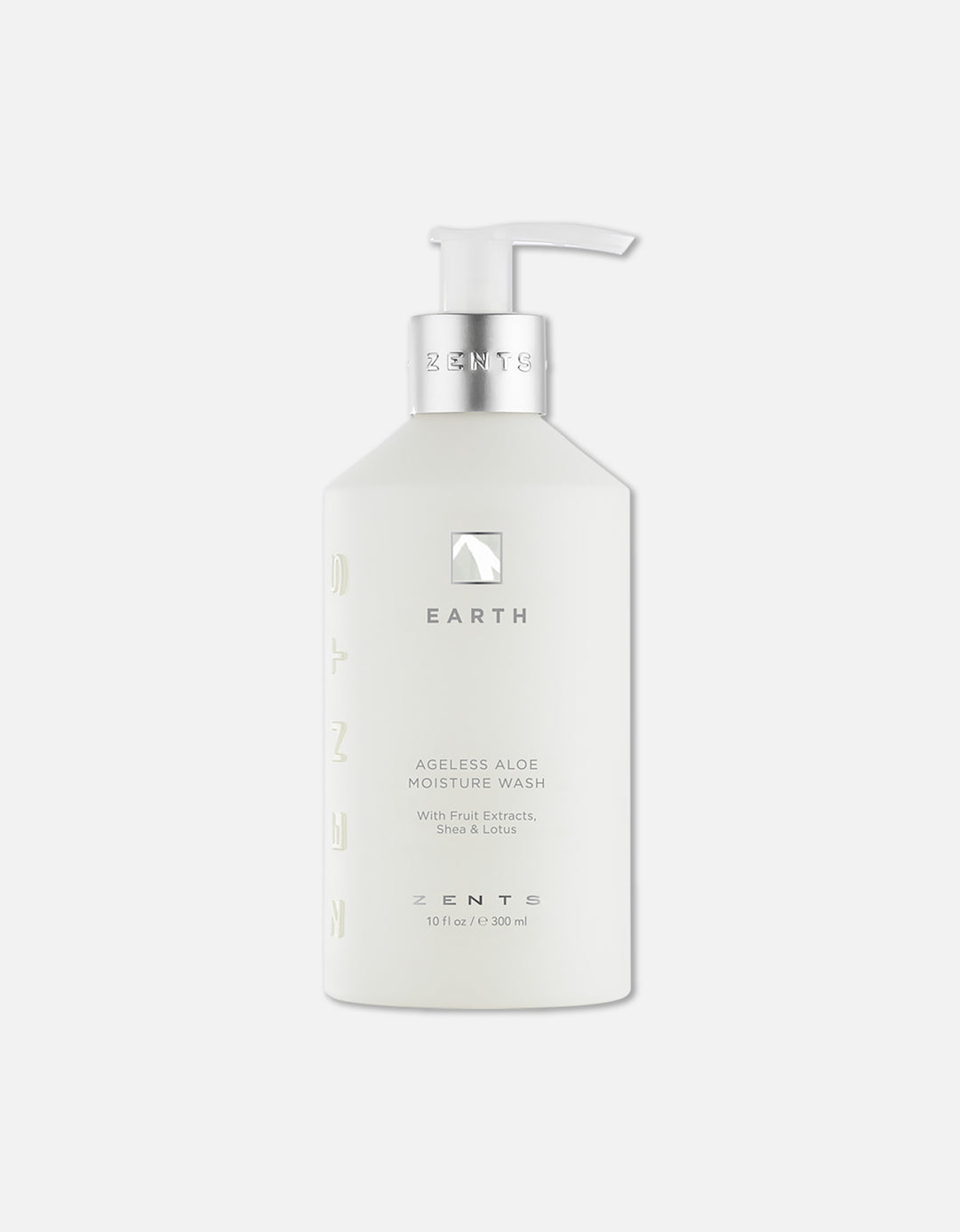
The Ageless Aloe Moisture Wash is the considered companion product. Used in the shower the next morning, it continues the gentling work the bath started and prepares the skin for the post-bath lotion and oil that follow.
The Age Defying Probiotic Lotion and Luminous Cashmere Body Oil are the post-bath workhorses. Applied to damp skin in the five minutes after the bath, they do the most thorough moisturizing of the entire day.
The Concreta Reparative Balm earns the targeted zones overnight. Apply after the bath ritual to chest, shins, and hands for the deeper care those areas benefit from.
For sensitive skin or during sunburn recovery, switch to the Unzented versions of each product. The bath truffle in Unzented is particularly important when the skin is asking for the simplest, most fragrance-free version of the ritual.
Frequently Asked Questions
Can I just take a cool shower instead of a bath?
A cool shower is a perfectly fine substitute when you don't have time for a bath. The bath does a few things a shower can't (whole-body even contact, the absorption of magnesium from Epsom salts, the deliberate restorative pause), but a thoughtful cool shower with gentle cleanser and the post-shower lotion-and-oil ritual is still meaningfully better than nothing. Reserve the bath for evenings when you have the time.
Will a bath dry my skin out?
A long, hot bath in chlorinated water with stripping bath products can dry skin. A short, cool bath with gentle additions like Epsom salts and plant lipids, followed immediately by lotion-and-oil on damp skin, is a net positive for skin hydration. The post-bath moisturizing is the variable that determines which version you're doing.
Are Epsom salts safe for everyone?
Generally yes, in normal bath quantities. People with certain conditions (diabetes, kidney issues, pregnancy) should check with a doctor before using Epsom salts regularly. If you have open wounds or active blistering, skip the salts until skin is intact again. For most healthy adults, regular Epsom salt baths are well-tolerated and gentle.
Can I use the bath truffles in a hot tub or jacuzzi?
No. The truffles are designed for a single bath dissolve, and the chemicals in a hot tub can interact with the plant oils in the truffle in unpredictable ways. Use the truffles only in a standard bathtub of cool to lukewarm fresh water.
How long does a Bath Truffle take to dissolve?
Two to three minutes if you give it some movement in the water, slightly longer if you let it sit. Many people drop the truffle in once the bath is half-filled and let it dissolve completely as the bath finishes filling. The truffle should be fully dissolved before you get in.
Is the cool bath ritual still useful in winter?
The lukewarm bath ritual, yes. The cool version is most useful in summer after sun exposure. In winter, a slightly warmer version (still below standard bath-warm) with the same considered additions does similar restorative work, with the addition of being a small protected moment in a colder, drier season. The truffles work equally well year-round.
A cool bath is small, considered, and quietly powerful. Twenty minutes of meeting the day's warmth with the right kind of water. The Epsom and arnica doing their work. The skin returning to itself. The lotion and oil that follow doing the deepest moisturizing of the day. Done two or three times a week through summer, the ritual becomes one of the small things that makes the hot season feel more spacious, more cared for, and quietly more itself.