
 PETAL
PETAL
 WATER
WATER
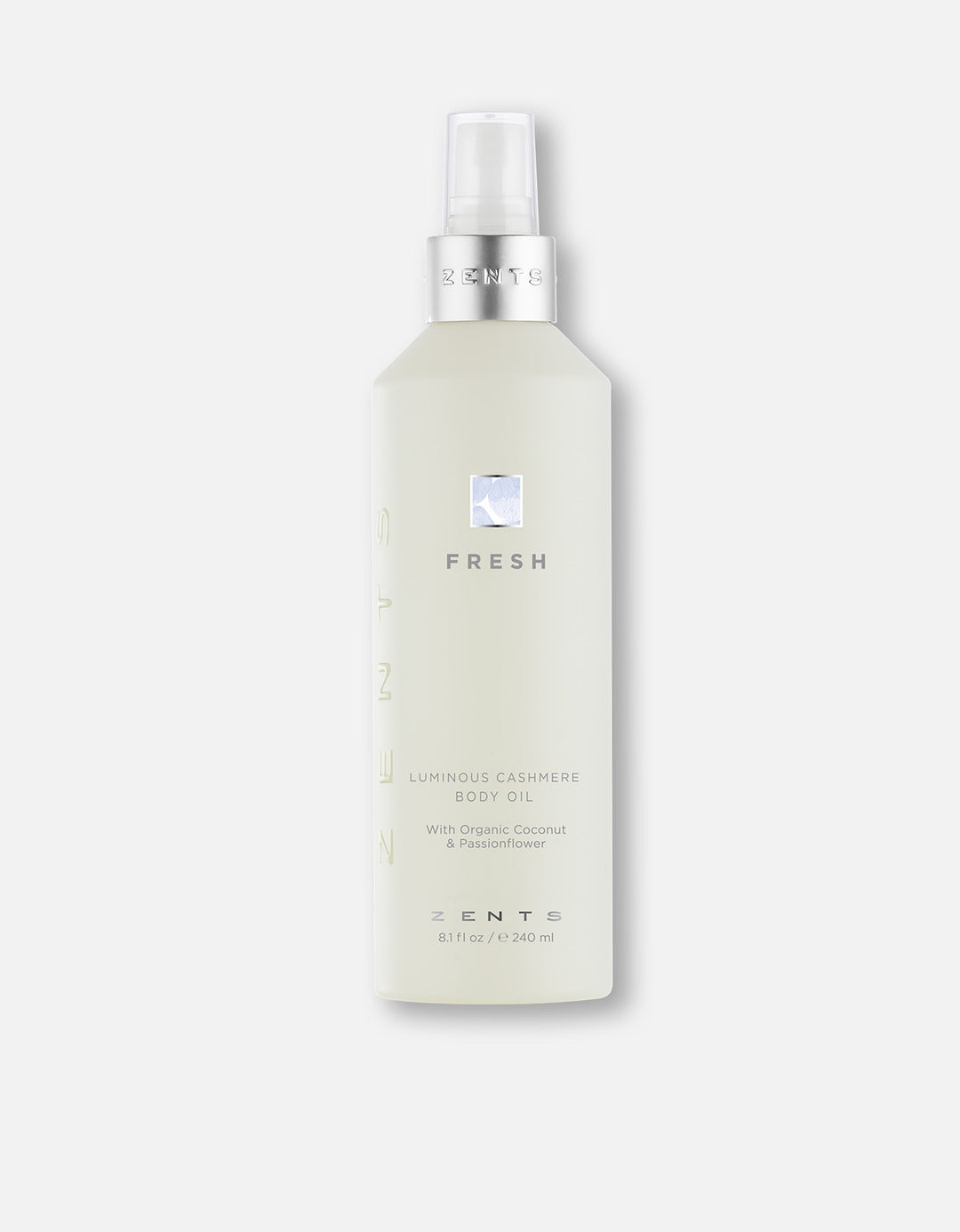
 FRESH
FRESH
 EARTH
EARTH
 OOLONG
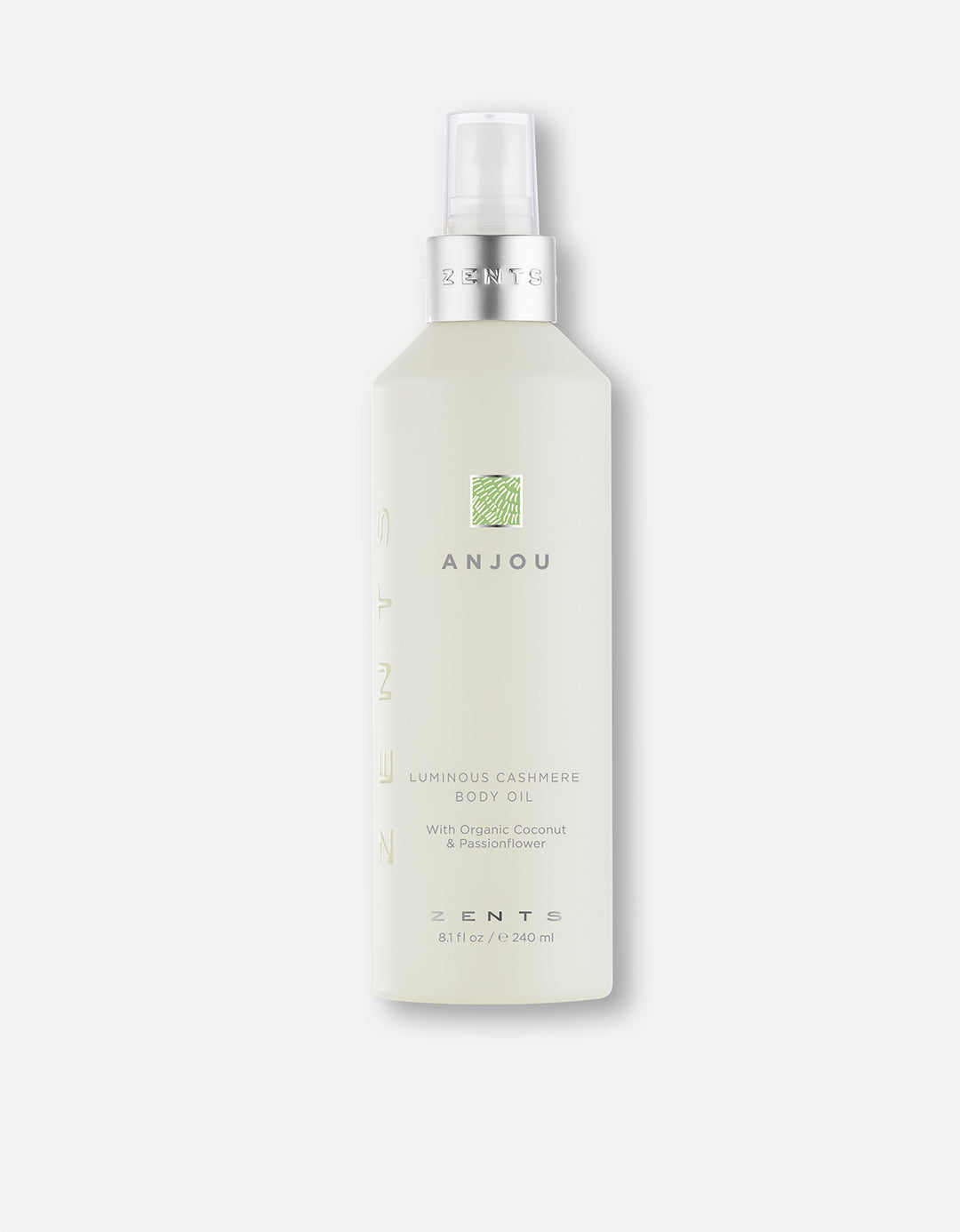
 ANJOU
ANJOU
 SUN
SUN
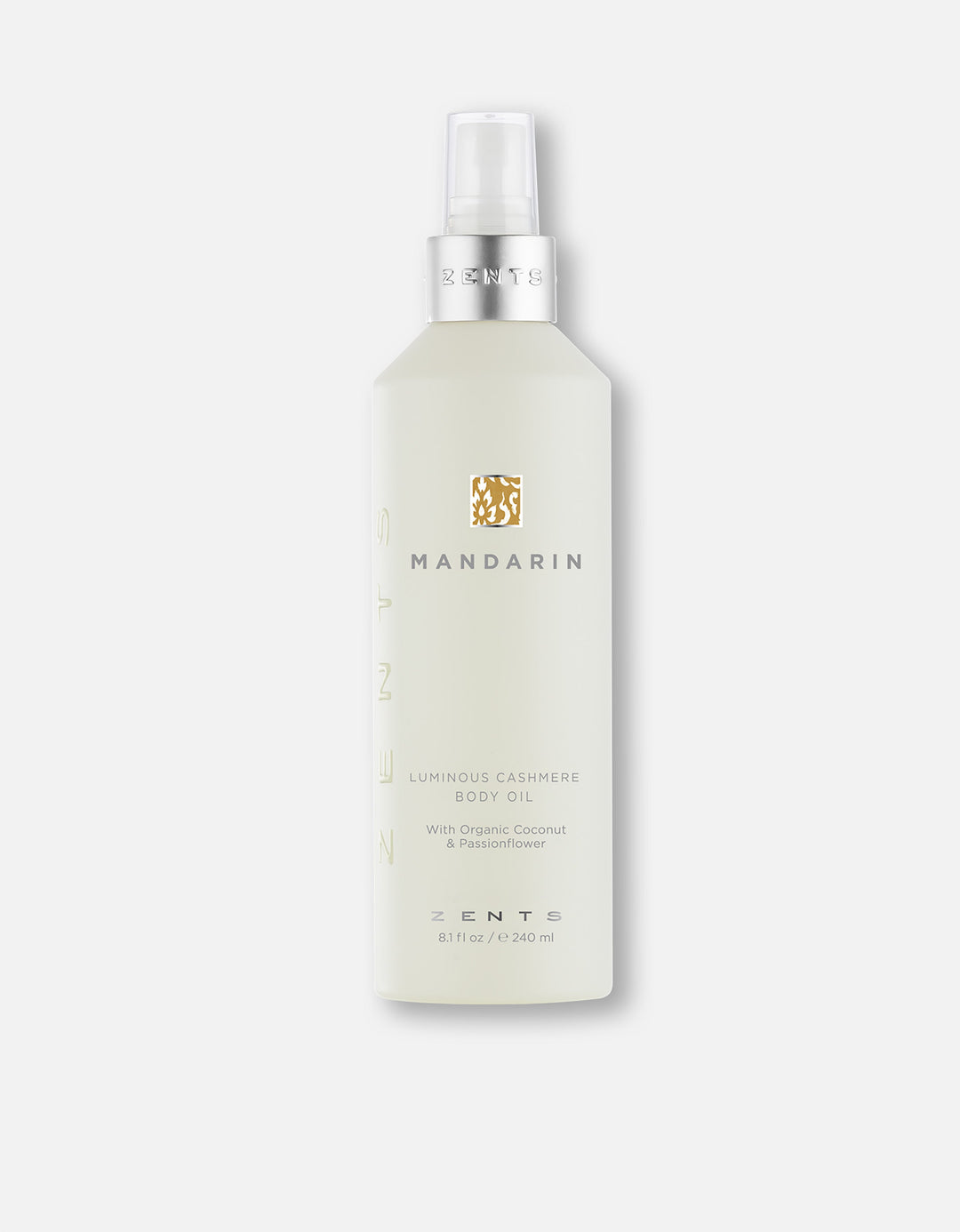
 MANDARIN
 ORE
ORE
 FIG
FIG
 UNZENTED
 What we Believe
 Star Ingredients
 Spa & Retail
 Journal
 QUIZ
QUIZ

A practical guide to body oil in the post-sun ritual, what it adds, where it earns its place, the small technique that makes it work, and the moments when skipping it is the right call.
Body oil after sun exposure is the finishing layer, not a substitute for lotion. Applied over slightly damp skin or pressed onto a freshly applied lotion, oil seals in the water your skin just absorbed and adds the kind of long-lasting softness lotion alone can't deliver. The right after-sun oil absorbs without lingering greasiness, leaves skin supple rather than slick, and uses plant oils chosen for their barrier-supportive properties: coconut, jojoba, squalane, passionflower. Used well, it's the small step that makes the next morning's tightness measurably softer.
Body oil sits in an interesting place in the after-sun routine. It's the layer most people skip, partly because it feels optional and partly because the word 'oil' suggests a heaviness that doesn't seem right for the warm, slightly tight feeling of post-sun skin. Both intuitions miss something. A well-chosen body oil isn't heavy. Technically, you can skip it. The result is just noticeably less complete.
This guide covers what body oil actually adds to post-sun recovery (it's specific and measurable, not just feel-good), how to choose one for sun-exposed skin, the damp-skin layering that makes the format work, the surprising dual use as a leave-in hair treatment, and the moments when skipping the oil really is the right call. It closes with where Zents fits, particularly the eleven scents of the cashmere-textured body oil that customers have been quietly using as part of their summer ritual for years.
What body oil actually adds in the post-sun moment
Body oil does two things that lotion alone can't, no matter how well-formulated the lotion. First, it forms a cushioned seal, slightly more substantial than the layer a water-based lotion can hold on its own. That seal slows further moisture loss in the hours after application, which is what skin asks for in the post-sun window. Second, it delivers free fatty acids and plant lipids directly to the surface, which the barrier can use as material during its own recovery work.
There's also a comfort and aesthetic role worth taking seriously rather than dismissing as superficial. Body oil leaves skin softer, more even-toned, and quietly luminous in a way that flatters tanned or slightly flushed skin. That visual payoff has a real behavioral effect. People who finish their post-sun ritual with body oil tend to keep up with the rest of the routine more reliably, because they like how their skin looks. A ritual you find pleasant is one you'll keep doing.
Why oil over damp skin works better than oil alone
Lotions deliver hydration immediately but evaporate part of their water content into the air during absorption. A finishing layer of oil applied over freshly applied lotion, or directly onto damp skin, creates a soft film on top of that water layer, holding the moisture against your skin where it can absorb rather than escape. This pairing of water-delivery followed by oil-seal is the gold-standard layering technique across most of skincare, not only the post-sun moment.

Oil, lotion, or both: when each one makes sense
After-sun body oil is rarely the right standalone choice. Oil seals and softens, but it doesn't deliver water back into thirsty skin. If your skin lost moisture to a sunny day (after a real day in the sun, it always did), what skin needs first is the water-delivery that only a lotion can provide. Oil alone on dehydrated skin smooths the surface for a few minutes but doesn't address the deeper water deficit.
The right sequence is almost always lotion first, to damp skin, then oil layered on top within thirty seconds, before the lotion has finished absorbing. There are situations where oil alone is enough, but they're narrow. Very mild exposure. A body type or skin type that runs naturally oilier. Skin that just received a deep moisture treatment in the bath. In every other case, the layered approach gives skin more.
| Situation | What to reach for |
|---|---|
| Heavy sun, end of beach day | Lotion + oil + a touch of balm on the high-need zones (full ritual) |
| Moderate exposure, afternoon outdoors | Lotion + oil |
| Light exposure, lunch outside | Lotion alone, or oil alone over freshly bathed damp skin |
| Sunburn day | Lotion only for the first 48 hours; oil after skin no longer feels actively warm |
| Tan-extension maintenance | Oil alone works well over already-hydrated skin |
| Sensitive or reactive skin | Lotion first, oil only if your skin welcomes it |
| Naturally oily body skin | Lotion may be enough on its own; oil saved for the driest zones |
The other pairing worth knowing is lotion plus balm without oil in between, for skin that finds full-body oil too rich. The Age Defying Probiotic Lotion on damp skin, then the Concreta Reparative Balm pressed onto the small high-need zones only, shins, shoulders, décolletage, can be the right choice for someone who wants targeted seal rather than full-body cushion.
The right oils for sun-exposed skin (and the ones to skip)
Body oils vary enormously in composition. The plant oil base, the fatty acid profile, the addition of carrier oils, the inclusion or absence of essential oils, and the use of synthetic esters or mineral oil all change how a product performs on warm skin.
Plant oils that earn their place
- Coconut oil (Cocos nucifera). High in saturated fatty acids; forms a soft, comforting seal; absorbs reasonably well. Pore-friendly on the body even though it's comedogenic for some face types. Particularly soothing after sun.
- Jojoba oil (Simmondsia chinensis). Technically a liquid wax, structurally similar to human sebum, which is why it absorbs faster than most plant oils and leaves less residue. A reliable base for sensitive skin.
- Squalane. Derived from olives or sugarcane in modern formulations. Lightweight, fast-absorbing, gentle, structurally similar to the lipids your skin already produces.
- Sweet almond oil (Prunus amygdalus dulcis). High in oleic acid; cushioned and rich; a long history of post-sun and after-bath use. Skip if you have a tree nut allergy.
- Apricot kernel oil (Prunus armeniaca). Lighter than almond; soaks in quickly; gentle enough for sensitive skin.
- Passionflower oil (Passiflora incarnata). High in linoleic acid; supports the barrier specifically; appears in some of the most thoughtful clean bodycare formulas.
- Sunflower oil (Helianthus annuus). The inexpensive workhorse with a good linoleic acid profile; appears in many well-formulated products as a quiet base.
Oils to use carefully, or skip
- Mineral oil and petrolatum. Safe and inert, but they only seal. They give nothing back. A body oil built around mineral oil is a sealing product without a real recovery component.
- Citrus essential oils on warm skin. Bergamot, lemon, lime, grapefruit can all cause patchy hyperpigmentation if applied before another round of sun. Acceptable in an evening oil if tomorrow's exposure will be quiet.
- Peppermint and eucalyptus. The cool feeling can sting on warm post-sun skin, even though the first impression is soothing.
- Heavily fragranced synthetic blends. Some commodity body oils are essentially fragrance oils with a small carrier underneath. These can sensitize warm skin in a hurry.
- Cheap synthetic esters as the entire base. Some inexpensive body oils replace plant oils with synthetic alternatives that lack the fatty acid benefit. Read the first three ingredients on the label. They should be recognizable plant oils.
How to apply after-sun body oil for the best result
The damp-skin technique is the single most important variable. Applied well, body oil after the sun leaves skin glowing and supple for hours. Applied to fully dry skin, the same oil sits slick on the surface and absorbs into your clothes instead.
- Take a cool to lukewarm shower or bath. Hot water pulls more moisture out of already-thirsty skin and speeds the loss of natural oils. Keep the water comfortable rather than relaxing-warm.
- Pat almost dry with a soft towel. Leave a thin film of moisture across your skin. The skin should feel slightly damp to the touch, not visibly wet.
- Apply lotion first, while skin is still damp. A generous palmful per body zone, pressed in rather than rubbed.
- Apply oil within thirty seconds, before lotion fully absorbs. Warm three or four drops between your palms, then press onto skin in flat, broad motions. The oil should glide because the lotion underneath is still slightly tacky.
- Press into specific zones that ask for more. Shins. Tops of feet. Elbows. Knees. Décolletage. Back of the neck. These places lose moisture fastest and welcome a second pass.
- Let it set for three to five minutes before dressing. Light cotton is fine to put on right away. Silk or light-colored linen deserves the wait.
How much to use
Most people significantly under-use body oil. Three or four drops per body zone, each arm, each leg, torso, chest, is the right amount for generous coverage. A standard bottle of well-formulated body oil should last about a month of regular post-sun use, possibly less during the heaviest summer weeks.
After-sun body oil for tan extension
Body oil is one of the most effective tools for keeping a tan visible for longer. The mechanism is simple. A tan lives in the upper layers of skin, and those layers shed naturally during the normal turnover cycle. When skin is dry, the surface texture is rougher and the shedding is more visible, which reads as flaky or fading. When skin is well-moisturized and sealed with oil, the same shedding happens but is far less apparent, and the underlying color reads as more even and saturated for longer.
The full tan-extension routine combines daily lotion, oil layered on top, and avoiding the things that speed up cell turnover, hot water, aggressive scrubs, retinoids, exfoliating acids. For the complete guide, see How to Extend Your Tan: A Bodycare Routine That Actually Works, which is the most actionable piece in the cluster on this specific topic.
On the daily level, applying body oil after the shower across the week following a sunny day noticeably keeps the tan looking richer for an extra five to ten days. Oil also catches and reflects light slightly, which adds the soft, lit-from-within glow that flatters tanned skin in particular.
Body oil as a dual-purpose after-sun hair treatment
Sun exposure, salt water, and chlorine all dehydrate hair the same way they dehydrate skin, by loosening the lipid layer of the cuticle and accelerating moisture loss. The same body oil formulated for skin recovery works beautifully as a leave-in treatment for dry, sun-stressed lengths. This dual use is one of the better-kept open secrets of the clean bodycare category.
How to use body oil as a hair treatment
- On damp hair, post-shower. Warm two or three drops between your palms and press through the mid-lengths and ends, avoiding the roots.
- As an overnight pre-wash treatment. Apply a heavier dose, six to eight drops, through the lengths an hour before bed. Sleep on a silk pillowcase. Wash out the next morning.
- As a daytime smoother on dry hair. A single drop warmed between palms and skimmed lightly over the surface calms flyaways and adds a soft sheen without weighing hair down.
- As a swim or sun pre-treatment. A light layer through dry hair before pool or sun creates a soft lipid film that reduces the damage. Less is more here. Enough to coat without making hair look greasy.
For the dedicated guide to after-sun hair care, including the full salt and chlorine recovery protocol and the conditioner-mask-oil layering routine, see After-Sun Hair Care: Repair After Pool, Salt, and UV. That article pairs the Mandarin Balancing Shampoo, Water Hydrating Conditioner, and Luminous Cashmere Body Oil into the trio Zents customers use as their summer hair recovery system.
When to skip the body oil
Body oil isn't the right step in every situation. There are several specific moments when skipping it, or replacing it with another format, leads to a better result.
- On a fresh sunburn. Until skin no longer feels actively warm to the touch, an occlusive oil layer can trap heat and slow the surface from settling. Use lotion alone for the first 24 to 48 hours, then add oil once skin is comfortable. See How to Recover from a Sunburn: A Skin-First Recovery Plan for the full sunburn plan.
- On naturally oily body skin. Some skin types produce enough sebum that an oil layer feels excessive. Lotion alone is often what your skin asks for. Oil can be reserved for the driest zones.
- Before a heavily fitted or light-colored outfit. Body oil takes longer to fully absorb than lotion. If you don't have ten minutes to let it set, use lotion and a touch of balm on the high-need zones instead.
- On broken or blistered skin. Any open skin should be gently cleansed and protected with a simple, fragrance-free balm rather than a scented oil.
- Before going back into the sun the same day. Oil can interfere with SPF application and performance. Apply oil at night and use lotion alone during the day.
Where the Zents Luminous Cashmere Body Oil fits in
The Luminous Cashmere Body Oil is built around a blend of organic coconut, jojoba, and passionflower oils, with passionflower contributing the linoleic acid profile that specifically supports the skin barrier. The texture sits in the middle of the spectrum, substantial enough to feel cushioned, light enough to absorb cleanly in five to ten minutes, dry enough to leave only a soft finish rather than a slick.
The oil comes in eleven scents that mirror the lotion and other formats in the line, including the Sun seasonal anchor of the Sun scent collection. For scent-free use, the Unzented Luminous Cashmere Body Oil is the same formula without added fragrance, well-suited to sensitive skin, post-sunburn recovery (once past the active warmth), or any moment where you want the format without a scent profile.
Where the oil pairs best is with the matching Age Defying Probiotic Lotion from the same scent family. The lotion delivers the moisture. The oil holds it there. The resulting layered effect lasts visibly longer than either product alone. For high-need zones, the matching Concreta Reparative Balm tops the layering perfectly. Sun, Water, Mandarin, and Earth read as the most natural summer choices, though personal scent preference is the right guide.
On price-per-application, the oil is actually one of the better values in the bodycare lineup. A standard bottle delivers around 120 to 150 applications when used as described, which works out to roughly the cost of a coffee per evening of full ritual.
Frequently Asked Questions
Should I use body oil or body lotion after sun exposure?
Both, layered, is the most effective approach. The lotion delivers water back into the skin. The oil holds it there. If you're going to use only one, lotion is the higher-priority choice, because moisture delivery is the more pressing need. Oil alone on thirsty skin smooths the surface for a few minutes but doesn't address the deeper water deficit. The Age Defying Probiotic Lotion on damp skin, followed by the Luminous Cashmere Body Oil thirty seconds later, is the layering most Zents customers settle into.
Will body oil clog my pores after sun exposure?
On the body, well-formulated plant oils rarely clog pores. The pore density and sebum production on the body are different from the face, and oils considered comedogenic for facial skin (coconut oil, for example) are generally fine on the body. If you specifically have body acne on the chest or back, choose a lighter oil (squalane, jojoba) rather than coconut or sweet almond, and use a little less. Body oil shouldn't be applied to active breakouts.
Can I apply body oil directly to wet skin in the shower?
Yes, and many people prefer this method. Apply oil to wet skin during the last thirty seconds of your shower, before you step out. Rinse very lightly so some oil remains. Pat dry. The result is similar to the damp-skin technique but with less risk of slippage on bathroom floors. Some people find this the easiest way to make oil a habit.
How long should I wait between applying lotion and oil?
Thirty seconds is the sweet spot. Long enough for the lotion to begin absorbing, short enough that it's still slightly tacky when the oil goes on. If you wait two or three minutes, the lotion will have fully absorbed and the oil will feel slick on top instead of pressing in. If you apply oil immediately with no wait, the two can ball up on the surface. Thirty seconds is gentle and reliable.
Is body oil safe to use on my face after sun exposure?
Zents body oils are formulated for body skin, not facial skin. The plant oils used (coconut, jojoba, passionflower) aren't inherently problematic on the face, but the formula density and fragrance levels are calibrated for the body. Note that Zents is a bodycare brand and doesn't make facial skincare. For facial post-sun treatment, choose a product formulated for that purpose from a brand that specializes in the face.
Can I use body oil over self-tanner after sun exposure?
Yes, with timing. Apply oil only after the self-tanner has fully developed, usually 8 to 12 hours after application. Body oil over freshly applied self-tanner can streak the color. Once the tan has set, daily oil application helps the self-tan look more even and last longer, similar to its effect on a natural tan. See How to Extend Your Tan: A Bodycare Routine That Actually Works for the complete tan-extension routine.
Body oil is the small finishing layer that makes the rest of your post-sun ritual visible. Three drops, damp skin, thirty seconds after the lotion. The whole step takes a minute and earns it back in how skin feels for days afterward.