 PETAL
PETAL
 WATER
WATER
 FRESH
FRESH
 EARTH
EARTH
 OOLONG
 ANJOU
ANJOU
 SUN
SUN
 MANDARIN
 ORE
ORE
 FIG
FIG
 UNZENTED
 What we Believe
 Star Ingredients
 Spa & Retail
 Journal
 QUIZ
QUIZ

A considered guide to keeping a tan visible for as long as your skin will hold it, what slows the fade, what speeds it, and the daily ritual that quietly extends summer.
Extending a tan comes down to keeping the upper layers of your skin as moisturized, intact, and gently cared for as possible. A tan lives in the outer layers of skin, which shed naturally as part of the normal turnover cycle. When skin is dry, that shedding shows up as flaky and the tan fades quickly. When skin is well-moisturized and sealed with oil, the same shedding becomes nearly invisible and the underlying color stays richer for weeks longer. The routine that actually works is simple: cool to lukewarm water, generous lotion to damp skin, body oil layered on top, no scrubbing, no hot showers, and patience with the natural rhythm of how skin renews itself.
Most of us reach the end of a sunny weekend with a tan we'd like to keep for as long as the surface will hold it. By the next Friday it's faded. By the weekend after that, it's barely visible. The instinct is often to scrub, exfoliate, even pick at the visible flaking, in the hope of speeding through to whatever's underneath. That instinct is exactly backwards. The things that feel like they should help are the things that make a tan fade fastest. The things that actually extend a tan are quiet, considered, and the same as the daily ritual that keeps skin happy in any season.
This guide is the honest look at what works. What's actually happening to a tan as it fades. The small list of daily habits that slow the visible loss of color. The longer list of things that speed it up (and that most people are doing without realizing). The dedicated layering routine that adds five to ten days to how long a tan stays beautiful. The body oil that does most of the visible work. And the honest difference between extending a natural tan and a self-tan, which respond to different specifics.
What a tan actually is, and why it fades
A tan is the visible expression of melanin produced in the lower layers of your skin in response to UV exposure. The melanin travels upward as the skin cells mature and move toward the surface, and the color you see is concentrated in the outer layers of skin. This is the same outer layer that sheds naturally over the normal turnover cycle, about 28 days in healthy young adult skin, longer with age.
The fade happens because the cells carrying the most melanin are the ones closest to shedding. As they shed, the freshly-uncovered cells underneath carry less of the color, and the tan softens visibly. This is the natural cycle, and it's the same cycle that keeps your skin clean, fresh, and renewed in every season.
The reason different people lose tans at different rates is partly genetic and partly environmental. Skin that runs drier sheds visibly. Skin that's well-moisturized sheds quietly. Skin that gets exfoliated regularly turns over faster. Skin that's met with hot water and harsh products loses its outer layer in chunks rather than the steady, even renewal of well-cared-for skin.
What slows the fade
The list of things that genuinely extend a tan is short, repetitive, and gentle. Every item on it is also a thing that's good for your skin in general, which means you don't need a separate routine for tan extension. You just need a more thoughtful version of the daily ritual you might already have.
- Daily lotion applied to damp skin. This is the single highest-value step. Damp skin holds onto color more evenly than dry skin, and a well-moisturized surface masks the visible shedding that would otherwise look like flaking. Apply within five minutes of toweling off. Use more than you usually would.
- Body oil layered over lotion. Oil specifically helps the surface read as more saturated and even, which makes the underlying tan look richer for longer. It also catches and reflects light in a way that flatters tanned skin specifically. A few drops per body zone, applied within thirty seconds of the lotion. This is the single biggest aesthetic difference between a tan that fades quickly and one that stays beautiful for weeks.
- Cool to lukewarm bathing temperature. Hot water speeds up the cell turnover that's already underway. Cool to lukewarm keeps the cycle at its natural pace.
- Gentle cleansers. Harsh body washes, especially those with strong sulfates, strip the lipid layer and accelerate the loss of the surface cells carrying the tan. A low-foaming, considered cleanser is kinder.
- Drinking water generously. Hydrated skin holds onto color more evenly than dehydrated skin. The connection is more visible than people expect.
- Patience with the natural rhythm. A tan can be extended by a couple of weeks with good care. It can't be extended indefinitely without going back into the sun, which has its own costs. The realistic target is a tan that looks beautiful for three to four weeks rather than one.
What speeds the fade (and most people are doing without realizing)
The list of habits that quietly accelerate a tan's loss is longer and more familiar than most people expect. Each item on its own is small. Together they add up to a tan that disappears in days rather than weeks.
- Hot showers and baths. The single biggest accelerator. Heat speeds cell turnover, dries the surface, and pulls the upper layers (where the tan lives) toward shedding faster than they would otherwise.
- Body scrubs, dry brushing, loofahs. Any physical exfoliation is essentially removing the surface that holds your tan. This is fine when you want to refresh skin, but it's the opposite of what tan extension asks for.
- Chemical exfoliants. AHA, BHA, glycolic acid, lactic acid, salicylic acid. All work by accelerating the surface turnover. Wonderful ingredients for many goals. Counterproductive for tan extension.
- Retinoids. Same story. Retinol and tretinoin speed up cell turnover. Pause them for the duration of tan extension.
- Pool chlorine. Particularly hard on tanned skin. Chlorine strips the surface aggressively and speeds the cell shedding. If you're going to swim, rinse off as soon as you exit, apply lotion to damp skin within minutes.
- Long hot tub or sauna sessions. Both heat and the cleaning chemicals used in hot tubs work against a tan.
- Aggressive towel drying. The brisk rubbing motion most of us use to dry off pulls at the loose surface cells. Patting almost dry is gentler and slower.
- Wearing fitted, rough-textured clothing on tanned skin. Friction at the surface accelerates the shedding. Loose cotton through the tan extension period is kinder.
- Skipping moisturizer entirely. Dry skin fades fastest. Even a single missed evening of moisturizing visibly shortens a tan.
Most people are doing at least three of these things daily without realizing. Switching to even slightly cooler water and skipping the scrub for a few weeks makes a measurable difference.
The daily tan extension ritual, step by step
The full ritual is straightforward and quick. About five minutes in the evening and another two in the morning. The consistency matters more than the elaborateness.
- Morning shower, cool to lukewarm. Use the Ageless Aloe Moisture Wash as your cleansing step. Low-foaming, considered, doesn't strip the surface. Pat almost dry.
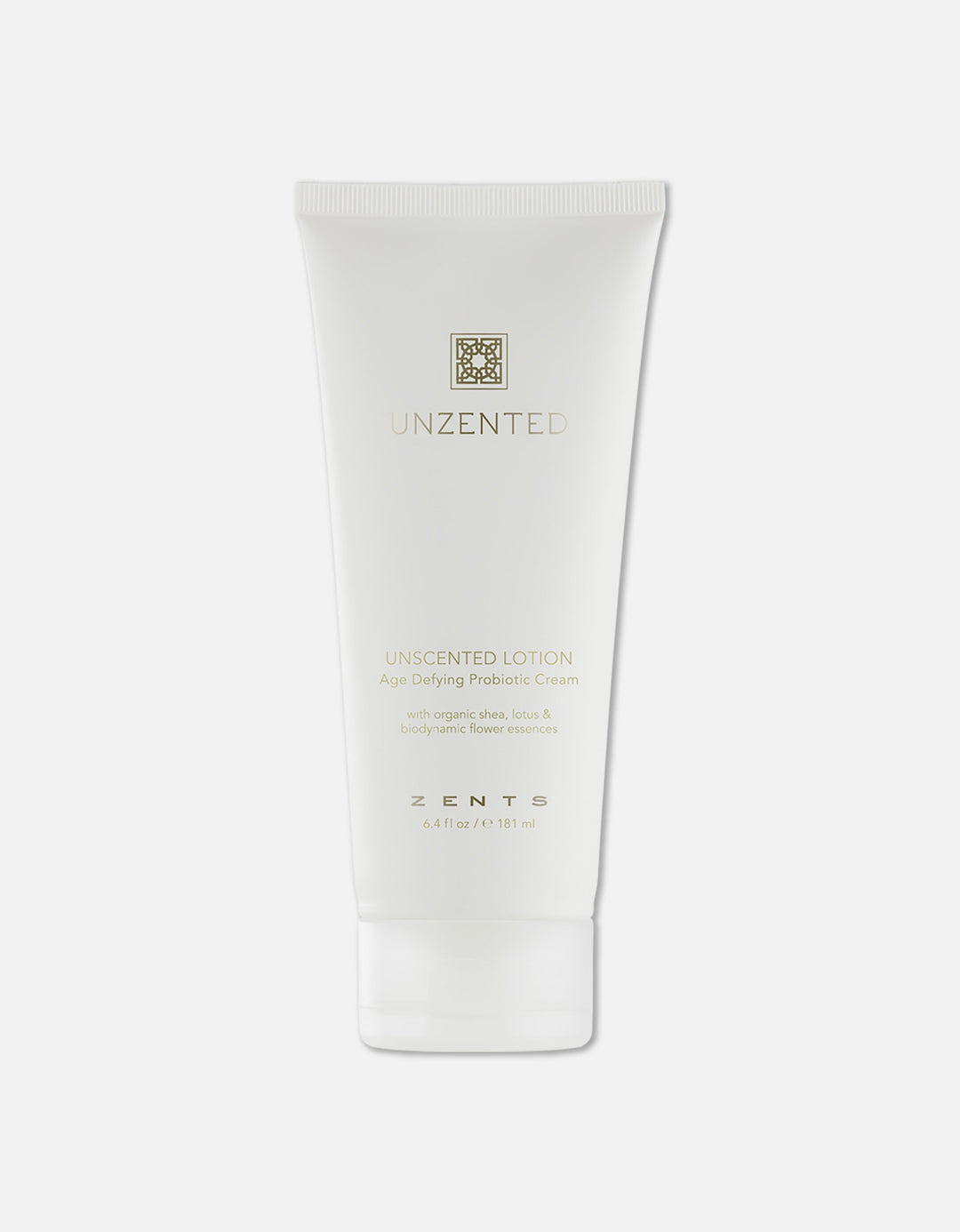
- Apply lotion to damp skin within five minutes. A generous palmful of the Age Defying Probiotic Lotion per body zone. Press in rather than rub. The damp skin matters; the water gives the lotion something to bind to.
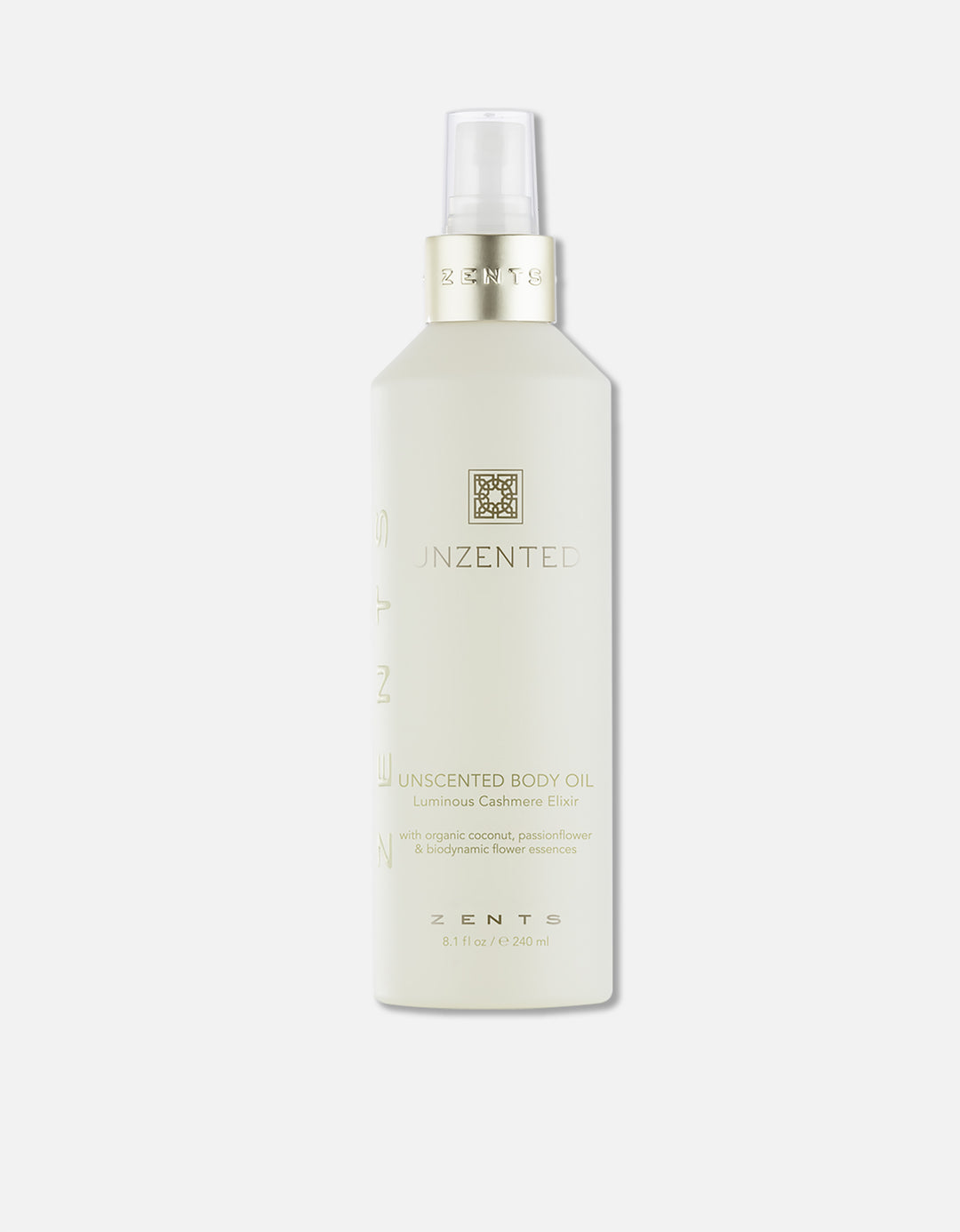
- Layer body oil over the lotion, within thirty seconds. Three to four drops of Luminous Cashmere Body Oil per body zone, warmed between your palms, pressed onto skin. This is the step that does the most visible work.
- Get dressed in loose, breathable clothing if possible. Cotton or linen over fitted synthetic fabric, especially through the first week of tan extension.
- Drink water through the day. The connection between systemic hydration and how skin holds color is real and visible.
- Evening shower, cool to lukewarm again. Ageless Aloe Moisture Wash again. Pat almost dry.
- Lotion to damp skin. Slightly more than the morning application. The evening lotion does the overnight work.
- Body oil layered over the lotion. Same routine as morning.
- Balm on the high-need zones at night. A small dab of Concreta Reparative Balm on shins, elbows, and any zone that's running drier than the rest. These are the areas that fade first if neglected.
Hold this routine for the duration of the tan you want to keep. Most people stay with it for three to four weeks, then ease back to their usual rhythm as the tan softens naturally.
Why body oil is the centerpiece of tan extension
If you're going to do one thing differently from your usual routine to extend a tan, this is the one. Body oil applied over lotion does three things that no other product does as well:
- It seals moisture into the surface. A well-hydrated surface holds color more evenly. Oil traps the water from the lotion underneath it, extending the surface hydration measurably.
- It catches and reflects light. Oil leaves skin with a soft, glossy quality that flatters tanned skin specifically. The same tan reads as richer and more saturated on oiled skin than on dry skin.
- It minimizes the visible appearance of natural shedding. As the surface cells naturally shed, well-oiled skin doesn't show the flaky, dusty quality that bare skin does. The cells are still leaving. They're just doing it less visibly.
The Luminous Cashmere Body Oil is built around a blend of organic coconut, jojoba, and passionflower oils. The texture sits in the middle of the spectrum, substantial enough to cushion but light enough to absorb cleanly. It comes in eleven scents including the seasonal Sun anchor of the Sun scent collection, which reads as the natural companion to a summer tan.
For the deeper guide to body oil generally, including application technique and which oils earn their place, see After-Sun Body Oil: When, Why, and How to Use One. For the broader summer glow ritual, including how oil layers with the rest of the lineup, see Lit From Within: Layering for a Real Summer Glow.
Natural tan vs. self-tan: the same routine, with one shift
The tan-extension routine works for both natural tans and self-tans, with one specific timing shift to be aware of.
Extending a natural tan
Apply the full ritual starting the evening you come home from a sunny day. Continue for three to four weeks. The first week is the most important; this is when the visible difference between extended and not-extended is largest. By week three, the natural fade is gentle and even rather than patchy, which is the difference between a tan that ages gracefully and one that disappears in chunks.
Extending a self-tan
Self-tans develop in the surface layers of the skin through a reaction between dihydroxyacetone (DHA) and the proteins in your skin. The result looks similar to a real tan but lives entirely in the outer layer, which means it's even more dependent on those surface cells staying intact.
The one shift: wait until the self-tan has fully developed before applying any body oil. This is usually 8 to 12 hours after application. Oil applied to a still-developing self-tan can streak the color or cause uneven absorption. Once the tan has set, daily oil application works exactly the same way and helps the self-tan look more even and last longer.
Self-tans usually fade faster than natural tans because the developed color is more concentrated at the surface. The same extension routine still buys you measurable extra time, often three to five days beyond what you'd get without it.
Tan extension for different skin types
The core routine is the same across skin types. A few small adjustments help for specific situations.
- Fair skin (Fitzpatrick I to III). A tan on fairer skin tends to fade more visibly because the contrast with baseline tone is greater. The extension routine matters more here, and the body oil step in particular makes the biggest visual difference. Avoid any exfoliation until the tan has fully faded.
- Deeper skin tones (Fitzpatrick IV to VI). A tan on deeper skin tones often appears as a richer version of the baseline tone rather than a contrasting color. The same routine extends the visible richness for weeks. Pay particular attention to chest, knees, and elbows, areas where deeper tones can show uneven texture that the lotion-plus-oil routine smooths.
- Mature skin. Skin in its fifties and beyond tends to run drier and renews more slowly, which both helps and hinders tan extension. A tan can last longer in absolute terms but may also look patchier as it fades. The extension routine should run richer here, with body oil daily as a non-negotiable. Balm on the chest, hands, and shins becomes especially valuable.
- Sensitive skin. The full ritual still applies. Use the Unzented versions of each product if scented products feel too much during the extension period. The probiotic and barrier-supportive ingredients are identical.
- Naturally oily body skin. May find the full body oil application excessive. Use oil only on the driest zones (shins, knees, chest) and rely on lotion alone elsewhere. The tan still extends well.
When tan extension naturally ends, and what to do then
A tan will eventually fade no matter how thoughtful the extension routine. The good news is that with the ritual described above, the fade is even and graceful rather than patchy and dramatic. By the end of three or four weeks, the surface has renewed enough that the visible tan is gentle and the underlying skin tone is even.
When and how to ease back to your usual routine
- As the tan softens, you can begin reintroducing the products and habits you set aside. Start with one at a time, spaced a few days apart, so you can notice if anything brings unwanted dryness or reactivity.
- Once the tan is completely gone, return to your usual exfoliation schedule. A gentle body polish at this point can even out any remaining surface texture from the tan-extension period.
- Resume any pause retinoids or acids carefully. Start at half your usual frequency for the first week.
- The fragrance-considered lotion, oil, and balm routine is worth keeping year-round regardless. It's the same ritual that supports skin in any season.
For the deeper guide to safe exfoliation timing, particularly around sun exposure and tan transitions, see When (and How) to Exfoliate After Sun Exposure. For maintaining the all-around summer glow even after the tan has faded, see Lit From Within: Layering for a Real Summer Glow.
Where the Zents lineup fits in tan extension
The Age Defying Probiotic Lotion and Luminous Cashmere Body Oil are the centerpieces. The lotion delivers the moisture that keeps the surface cells from drying and shedding visibly. The oil seals everything in and adds the gloss that flatters tanned skin specifically. Together they're the workhorses of the routine.
The Concreta Reparative Balm earns the targeted high-need zones. Shins, knees, elbows, chest. The areas that fade first if neglected. A small amount at night keeps these zones in step with the rest of the body.
The Ageless Aloe Moisture Wash replaces your usual body wash through the extension period. Low-foaming, considered, doesn't strip. The aloe content is gentle on skin that's holding a tan rather than asking it to fade.
For sensitive skin or for skin that runs more reactive in summer, the Unzented collection versions of each product carry the same formulation principles without added fragrance. Many people find the combination of Sun-scented lotion and oil with the Unzented Concreta makes for an ideal extension ritual: aromatic where the skin tolerates it, fragrance-free where it asks for simplicity.
Frequently Asked Questions
How long can a tan realistically be extended?
A natural tan that would normally fade in 7 to 10 days can be extended to three or four weeks with consistent care. The fade still happens, but it's slower, more even, and noticeably more graceful than skin that's left to its own devices. Beyond four weeks, the natural cell turnover catches up regardless. A self-tan can be extended by 3 to 5 days beyond its usual lifespan, sometimes a week with very gentle care.
Does drinking water actually help a tan last longer?
Yes, more than people expect. Hydrated skin holds onto color more evenly than dehydrated skin. The connection isn't dramatic in any single day, but across two or three weeks of consistent hydration vs. dehydration, the difference is visible. Drink water as a baseline summer habit. The tan extension benefit is one of several good reasons.
Should I be applying body oil over self-tanner the day I apply it?
No. Wait at least 8 to 12 hours after applying self-tanner before any oil. Oil applied to a still-developing self-tan can streak the color. Once the tan has fully set, daily oil application helps it look more even and last longer. This is one of the few situations where the timing matters specifically.
Is gentle exfoliation ever appropriate during the tan-extension period?
Generally no. Exfoliation directly removes the surface cells that hold your tan. The whole point of the extension routine is to keep those cells intact for as long as possible. Once the tan has fully faded and you're transitioning back to your usual routine, gentle exfoliation is fine and helps smooth any remaining texture. For the deeper guidance on exfoliation timing, see When (and How) to Exfoliate After Sun Exposure.
Can I extend my tan if I'm also using retinoids or acids in my face routine?
Yes, the face and body routines can be different. Most people aren't using retinoids or acids on the body in the same way they use them on the face. If you do use body acids or retinoids regularly, pause them on the body specifically for the tan-extension period. You can continue your face routine as usual.
Will the extension routine work if I only do it morning, not evening?
It still helps, but the evening application is the more important one of the two. The lotion-plus-oil layer overnight does most of the visible work for tan extension, because that's when skin does most of its renewal and repair. If you can only do one application per day, make it the evening one.
A tan, like summer itself, is something to enjoy while it's here. The extension ritual isn't about resisting the natural rhythm of skin renewal. It's about meeting that rhythm gently, with moisture and oil and patience, so the color stays beautiful for weeks rather than days. A few minutes of care each evening, and the summer in your skin lasts noticeably longer than it would have on its own.